
Back
Present
Facts for Kids
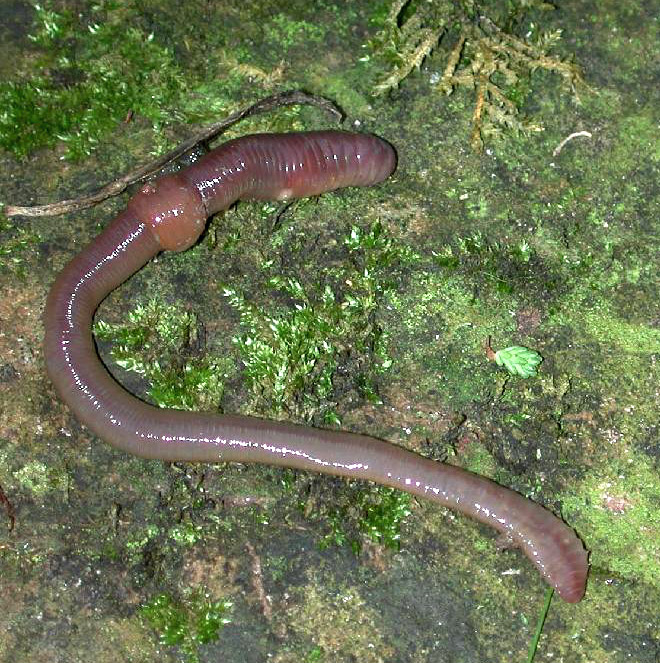
Worms are soft-bodied, limb-less animals that help enrich the soil and play an essential role in the environment.

Explore the internet with AstroSafe
Search safely, manage screen time, and remove ads and inappropriate content with the AstroSafe Browser.
Download

Become a Creator with DIY.org
A safe online space featuring over 5,000 challenges to create, explore and learn in.
Learn more
Overview
Worms are fascinating animals! 🐍
They have long, soft, and squishy bodies that can wiggle and squirm. There are many types of worms, and they live in different places around the world! Some worms are tiny, while others can grow to be very long, like the giant earthworm found in Australia, which can reach over 3 feet! 🌏
Worms don’t have arms, legs, or eyes, and their bodies are usually round in shape. They help the environment in many ways by breaking down dead plants and animals, and they play an essential role in keeping our soil healthy! 🌱
They have long, soft, and squishy bodies that can wiggle and squirm. There are many types of worms, and they live in different places around the world! Some worms are tiny, while others can grow to be very long, like the giant earthworm found in Australia, which can reach over 3 feet! 🌏
Worms don’t have arms, legs, or eyes, and their bodies are usually round in shape. They help the environment in many ways by breaking down dead plants and animals, and they play an essential role in keeping our soil healthy! 🌱
Read Less
Types of Worms
There are many different types of worms, including earthworms, tapeworms, and roundworms! 🌍
Earthworms are great for gardens because they help make the soil rich. Tapeworms live in the intestines of animals and people and can be very long, up to 30 feet! 🐛
Roundworms are very small and can be found in dirt, water, and even inside plants. Some worms, like the ribbon worm, can stretch out to be very long and thin, while others are tiny, such as threadworms. Each type of worm has unique features and helps the environment in different ways!
Earthworms are great for gardens because they help make the soil rich. Tapeworms live in the intestines of animals and people and can be very long, up to 30 feet! 🐛
Roundworms are very small and can be found in dirt, water, and even inside plants. Some worms, like the ribbon worm, can stretch out to be very long and thin, while others are tiny, such as threadworms. Each type of worm has unique features and helps the environment in different ways!
Read Less
Anatomy of Worms
Worms have a special body structure! They are called invertebrates, meaning they do not have a backbone. 🐍
Most worms have soft, flexible bodies covered with a slimy skin. This skin helps them move through soil and water. Earthworms have segments, or rings, around their bodies, which help them wiggle. 🌀
Worms don’t have eyes, but they can sense light and dark, helping them find their way! Inside, they have a digestive system to break down food. Some worms, like the polychaete worm, even have colorful bristles on their bodies that help them swim and move in the ocean! 🌊
Most worms have soft, flexible bodies covered with a slimy skin. This skin helps them move through soil and water. Earthworms have segments, or rings, around their bodies, which help them wiggle. 🌀
Worms don’t have eyes, but they can sense light and dark, helping them find their way! Inside, they have a digestive system to break down food. Some worms, like the polychaete worm, even have colorful bristles on their bodies that help them swim and move in the ocean! 🌊
Read Less
Role in Ecosystems
Worms are superheroes of the ecosystem! 🦸
♂️ They help maintain a healthy environment by breaking down dead plants and animals. This decomposition process enriches the soil with nutrients. 🌼
Worms create burrows in the ground, which allows water and air to reach plant roots more easily, helping them grow strong and healthy! Earthworms can also support biodiversity by providing habitats for other animals like beetles and ants. 🐜
In marine ecosystems, worms serve as food for many fish and other sea creatures! Without worms, our ecosystems would suffer, showing how important they really are!
♂️ They help maintain a healthy environment by breaking down dead plants and animals. This decomposition process enriches the soil with nutrients. 🌼
Worms create burrows in the ground, which allows water and air to reach plant roots more easily, helping them grow strong and healthy! Earthworms can also support biodiversity by providing habitats for other animals like beetles and ants. 🐜
In marine ecosystems, worms serve as food for many fish and other sea creatures! Without worms, our ecosystems would suffer, showing how important they really are!
Read Less
Common Species of Worms
Many species of worms are found around the world! 🌍
The common earthworm, Lumbricus terrestris, is popular in gardens and helps with soil health. Another common species is the red wigglers (Eisenia fetida), great for composting! 🗑
️ Tropical regions host the giant worm (Megascolecidae), which can grow several feet long! Marine environments have the fan worm (Sabella) and the sand worm (Nereis), important for ocean health. 🌊
These species play vital roles in their habitats, showcasing the importance of worms in our world!
The common earthworm, Lumbricus terrestris, is popular in gardens and helps with soil health. Another common species is the red wigglers (Eisenia fetida), great for composting! 🗑
️ Tropical regions host the giant worm (Megascolecidae), which can grow several feet long! Marine environments have the fan worm (Sabella) and the sand worm (Nereis), important for ocean health. 🌊
These species play vital roles in their habitats, showcasing the importance of worms in our world!
Read Less
Diet and Feeding Habits
Worms love to eat! 🐍
They mainly eat decaying organic matter, such as dead leaves, fruit, and other plant material. Earthworms have a special way of eating; they take in soil filled with nutrients and digest it to absorb the good stuff! 🌱
As they eat, they turn the soil into rich compost, which helps plants grow. Some sea worms eat tiny organisms or detritus, which is decayed material in the ocean. Worms play a crucial role in recycling nutrients, making the soil healthy and providing food for plants and other animals! 🌻
They mainly eat decaying organic matter, such as dead leaves, fruit, and other plant material. Earthworms have a special way of eating; they take in soil filled with nutrients and digest it to absorb the good stuff! 🌱
As they eat, they turn the soil into rich compost, which helps plants grow. Some sea worms eat tiny organisms or detritus, which is decayed material in the ocean. Worms play a crucial role in recycling nutrients, making the soil healthy and providing food for plants and other animals! 🌻
Read Less
Habitat and Distribution
Worms are found in many habitats all over the world! 🌎
Earthworms live underground in soil, while marine worms swim in oceans and rivers. Some live in freshwater, like lakes and streams. The giant tube worm lives deep in the ocean near hydrothermal vents, where it can withstand extreme temperatures! 🌊🪸 Worms are found in every continent, from Antarctica to the Amazon rainforest! They can even live in your backyard. In fact, there can be over a million earthworms in just one acre of farmland, helping to make the soil healthier and richer! 🍂
Earthworms live underground in soil, while marine worms swim in oceans and rivers. Some live in freshwater, like lakes and streams. The giant tube worm lives deep in the ocean near hydrothermal vents, where it can withstand extreme temperatures! 🌊🪸 Worms are found in every continent, from Antarctica to the Amazon rainforest! They can even live in your backyard. In fact, there can be over a million earthworms in just one acre of farmland, helping to make the soil healthier and richer! 🍂
Read Less
Threats and Conservation
Worms face threats from pollution, habitat destruction, and climate change. 🌪
️ Chemicals used in agriculture can harm earthworm populations, affecting soil quality. Many are also affected by deforestation, which destroys their homes. 🌳
Conservation efforts help protect worm habitats. Farmers can use organic practices to support earthworm populations while caring for their crops. Simple things, like planting native plants and reducing waste, can also help! 🌻
Educating others about the importance of worms can lead to better care for the environment, ensuring these amazing creatures thrive for years to come! 🌼
️ Chemicals used in agriculture can harm earthworm populations, affecting soil quality. Many are also affected by deforestation, which destroys their homes. 🌳
Conservation efforts help protect worm habitats. Farmers can use organic practices to support earthworm populations while caring for their crops. Simple things, like planting native plants and reducing waste, can also help! 🌻
Educating others about the importance of worms can lead to better care for the environment, ensuring these amazing creatures thrive for years to come! 🌼
Read Less
Life Cycle and Reproduction
Worms have interesting life cycles! 🌱
Most earthworms start as tiny eggs that are laid in the soil. After a few weeks, baby worms hatch and begin to grow, eating soil and organic matter. Worms can reproduce both sexually and asexually—some can even clone themselves! 🐛
When two earthworms mate, they exchange sperm, which helps them produce more eggs. 🌼
This can result in many baby worms, and the cycle continues! Worms can live for several years, depending on the species and the environment they live in. This means they can help the soil for a long time!
Most earthworms start as tiny eggs that are laid in the soil. After a few weeks, baby worms hatch and begin to grow, eating soil and organic matter. Worms can reproduce both sexually and asexually—some can even clone themselves! 🐛
When two earthworms mate, they exchange sperm, which helps them produce more eggs. 🌼
This can result in many baby worms, and the cycle continues! Worms can live for several years, depending on the species and the environment they live in. This means they can help the soil for a long time!
Read Less
Worms in Culture and Folklore
Worms have made their way into stories and folklore around the world! 📚
In many cultures, earthworms represent fertility and the cycle of life. The famous American author, Mark Twain, wrote about earthworms in his stories about nature! 🌳
In some fairy tales, worms are seen as magical creatures. In Japan, the "Jorōgumo" is a spider that can turn into a beautiful woman but also has a secret connection with worms! 🕷
️ These connections show how worms are not only important in nature but also in the imagination of people everywhere!
In many cultures, earthworms represent fertility and the cycle of life. The famous American author, Mark Twain, wrote about earthworms in his stories about nature! 🌳
In some fairy tales, worms are seen as magical creatures. In Japan, the "Jorōgumo" is a spider that can turn into a beautiful woman but also has a secret connection with worms! 🕷
️ These connections show how worms are not only important in nature but also in the imagination of people everywhere!
Read Less
Worms in Science and Research
Worms have been used in science and research for a long time! 🧪
One famous type, the nematode worm (Caenorhabditis elegans), is studied by scientists to understanding genetics and biology. 🧬
Scientists can see how these tiny worms behave and develop, helping us learn about human health! Other researchers study earthworms to learn about soil quality and environmental health. 🏡
Worm farming, or vermiculture, is also popular! It’s a fun way to create compost and teach kids about recycling and gardening. Worms truly help scientists find answers to many important questions! 🌐
One famous type, the nematode worm (Caenorhabditis elegans), is studied by scientists to understanding genetics and biology. 🧬
Scientists can see how these tiny worms behave and develop, helping us learn about human health! Other researchers study earthworms to learn about soil quality and environmental health. 🏡
Worm farming, or vermiculture, is also popular! It’s a fun way to create compost and teach kids about recycling and gardening. Worms truly help scientists find answers to many important questions! 🌐
Read Less
Try your luck with the Worm Quiz.
Try this Worm quiz and see how many you score!
Q1
Question 1 of 10
Next
Explore More