
Back
Present
Facts for Kids
Vegetables are parts of plants that are consumed by humans or animals as food, providing essential nutrients.

Explore the internet with AstroSafe
Search safely, manage screen time, and remove ads and inappropriate content with the AstroSafe Browser.
Download

Become a Creator with DIY.org
A safe online space featuring over 5,000 challenges to create, explore and learn in.
Learn more
Overview
Vegetables are delicious parts of plants that we eat for food! 🥦
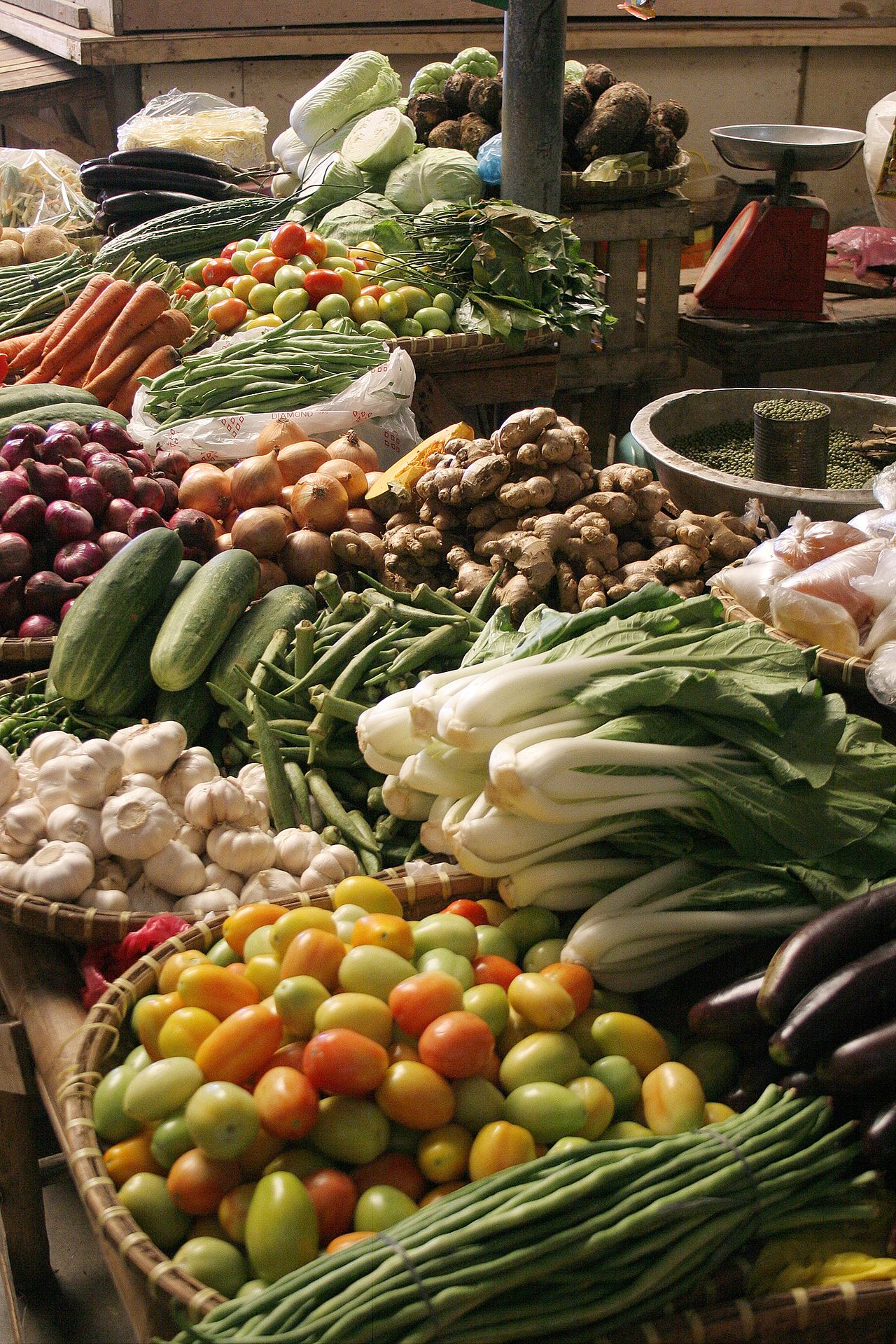
They come from various plant parts like roots, leaves, and stems. For example, carrots are roots, and lettuce is made of leaves! Vegetables are grown all over the world, from the United States 🇺🇸 to China 🇨🇳. Eating vegetables helps us stay strong and healthy. They can be colorful, crunchy, and full of flavors, making meals fun and tasty. There are so many types of vegetables, such as potatoes, broccoli, and bell peppers. Let's explore the fascinating world of vegetables together! 🌽🥕
They come from various plant parts like roots, leaves, and stems. For example, carrots are roots, and lettuce is made of leaves! Vegetables are grown all over the world, from the United States 🇺🇸 to China 🇨🇳. Eating vegetables helps us stay strong and healthy. They can be colorful, crunchy, and full of flavors, making meals fun and tasty. There are so many types of vegetables, such as potatoes, broccoli, and bell peppers. Let's explore the fascinating world of vegetables together! 🌽🥕
Read Less
Cooking Techniques
Vegetables can be prepared in many ways! 🥘
Some common cooking techniques are boiling, steaming, roasting, and stir-frying. Steaming broccoli keeps it crunchy and colorful, while roasting carrots makes them sweet and caramelized. ⭐
️ You can also eat vegetables raw in salads or snacks, preserving their nutrients. Grilling gives a smoky flavor to veggies like bell peppers and zucchini. ⚡
️ Experimenting with cooking methods can turn any vegetable into something delicious, so let’s get cooking! 👩
🍳
Some common cooking techniques are boiling, steaming, roasting, and stir-frying. Steaming broccoli keeps it crunchy and colorful, while roasting carrots makes them sweet and caramelized. ⭐
️ You can also eat vegetables raw in salads or snacks, preserving their nutrients. Grilling gives a smoky flavor to veggies like bell peppers and zucchini. ⚡
️ Experimenting with cooking methods can turn any vegetable into something delicious, so let’s get cooking! 👩
🍳
Read Less
Types of Vegetables
Vegetables can be grouped into categories based on which part of the plant they come from. There are delicious leafy greens like spinach and lettuce 🥬. Root veggies such as carrots and beets grow underground. Some vegetables, like tomatoes and cucumbers, are technically fruits but are used in savory dishes 🍅🥒. Other types include legumes (like peas and beans) and stalks (such as celery). Each type of vegetable contributes unique flavors and textures to meals. By exploring different varieties, we can make our plates colorful and exciting! 🌈
Read Less
Nutritional Benefits
Eating vegetables is super good for our bodies! 🥗
They are full of vitamins, minerals, and fiber. For example, broccoli is rich in vitamin C, which helps our immune system fight off sickness 🤒. Carrots are packed with beta-carotene, which supports good eyesight 👀. Leafy greens, like kale, have iron, which is important for our blood. Eating a variety of vegetables can help keep our hearts healthy, give us energy, and make our skin glow! 🌟
Remember to eat a rainbow of veggies every day for the best health benefits! 🌽🥦
They are full of vitamins, minerals, and fiber. For example, broccoli is rich in vitamin C, which helps our immune system fight off sickness 🤒. Carrots are packed with beta-carotene, which supports good eyesight 👀. Leafy greens, like kale, have iron, which is important for our blood. Eating a variety of vegetables can help keep our hearts healthy, give us energy, and make our skin glow! 🌟
Remember to eat a rainbow of veggies every day for the best health benefits! 🌽🥦
Read Less
Cultural Significance
Vegetables play a big role in cultures around the world! 🌍
For example, in Italy, pasta dishes are often filled with vegetables like spinach and zucchini 🍝. In Mexico, people enjoy dishes like tacos and salsas made from fresh veggies like onions and tomatoes. Cabbage is vital in Korean cuisine for making kimchi, a spicy fermented dish! 🥬
Each culture brings unique flavors and cooking styles, showing the importance of vegetables in traditional recipes. Trying these dishes helps us appreciate different cultures and their tasty veggie creations! 🍽
️
For example, in Italy, pasta dishes are often filled with vegetables like spinach and zucchini 🍝. In Mexico, people enjoy dishes like tacos and salsas made from fresh veggies like onions and tomatoes. Cabbage is vital in Korean cuisine for making kimchi, a spicy fermented dish! 🥬
Each culture brings unique flavors and cooking styles, showing the importance of vegetables in traditional recipes. Trying these dishes helps us appreciate different cultures and their tasty veggie creations! 🍽
️
Read Less
Common Vegetable Varieties
There are countless vegetable varieties to explore! 🥕
Popular veggies include tomatoes, carrots, and spinach, but there are also exciting options like bok choy and kohlrabi. 🌽
Some veggies come in different colors; bell peppers can be red, yellow, or green! 🟡🟢 Each variety offers different flavors and uses in cooking. Other common veggies you might enjoy are sweet potatoes, cauliflower, and asparagus. Trying new vegetables can be a fun way to discover new tastes! 🌈🍆
Popular veggies include tomatoes, carrots, and spinach, but there are also exciting options like bok choy and kohlrabi. 🌽
Some veggies come in different colors; bell peppers can be red, yellow, or green! 🟡🟢 Each variety offers different flavors and uses in cooking. Other common veggies you might enjoy are sweet potatoes, cauliflower, and asparagus. Trying new vegetables can be a fun way to discover new tastes! 🌈🍆
Read Less
Cultivation and Harvesting
Growing vegetables is a fun adventure! 🌱
Farmers plant seeds in the soil, and with sunshine 🌞, water 💧, and care, the seeds sprout into plants. Different vegetables are planted in different seasons. For instance, peas grow in spring, while pumpkins are best in summer 🎃. Vegetables are usually harvested when they are ripe, meaning they are the right size and color. Farmers might use machines or pick them by hand! After harvesting, vegetables are often washed and packed to go to grocery stores, ready for us to eat! 🛒
Farmers plant seeds in the soil, and with sunshine 🌞, water 💧, and care, the seeds sprout into plants. Different vegetables are planted in different seasons. For instance, peas grow in spring, while pumpkins are best in summer 🎃. Vegetables are usually harvested when they are ripe, meaning they are the right size and color. Farmers might use machines or pick them by hand! After harvesting, vegetables are often washed and packed to go to grocery stores, ready for us to eat! 🛒
Read Less
Seasonality and Availability
When you eat vegetables, it’s fun to know they grow in different seasons! 🌸
In spring, you can enjoy fresh snap peas and asparagus. 🥦
Summer is the time for juicy tomatoes and corn 🌽, while fall brings pumpkins and squash 🎃. Winter is when root vegetables, like carrots and potatoes, shine! Knowing what’s in season helps you eat fresh and tasty veggies that are often more affordable. By joining a local “farmers market,” you can find seasonal veggies right from the growers! 🥗
In spring, you can enjoy fresh snap peas and asparagus. 🥦
Summer is the time for juicy tomatoes and corn 🌽, while fall brings pumpkins and squash 🎃. Winter is when root vegetables, like carrots and potatoes, shine! Knowing what’s in season helps you eat fresh and tasty veggies that are often more affordable. By joining a local “farmers market,” you can find seasonal veggies right from the growers! 🥗
Read Less
Vegetables in Global Cuisines
Vegetables are a key ingredient in cuisines around the world! 🌎
In India, spices enhance veggie dishes like curry, using vegetables like potatoes and cauliflower 🥘. In Mediterranean cuisines, dishes like ratatouille bring together eggplant and zucchini. 🍆
In Japan, they have pickled vegetables called tsukemono. 🌸
Each country’s cooking reflects its culture and the vegetables they grow. Exploring global cuisines gives delicious new ideas for adding veggies to your meals. So, get ready to taste the world with veggies! 🍽
️
In India, spices enhance veggie dishes like curry, using vegetables like potatoes and cauliflower 🥘. In Mediterranean cuisines, dishes like ratatouille bring together eggplant and zucchini. 🍆
In Japan, they have pickled vegetables called tsukemono. 🌸
Each country’s cooking reflects its culture and the vegetables they grow. Exploring global cuisines gives delicious new ideas for adding veggies to your meals. So, get ready to taste the world with veggies! 🍽
️
Read Less
Vegetable Preservation Methods
To enjoy vegetables year-round, people have creative ways to preserve them! 🥒
Canning is one method, which involves putting cooked vegetables into jars and sealing them to keep them fresh. Freezing is another popular technique; vegetables like peas and corn are frozen quickly after harvest to maintain their taste. 🧊
Drying vegetables removes moisture, allowing them to be stored for a long time. Each preservation method helps reduce waste and ensures we have veggies available, no matter the season! 🍅
Canning is one method, which involves putting cooked vegetables into jars and sealing them to keep them fresh. Freezing is another popular technique; vegetables like peas and corn are frozen quickly after harvest to maintain their taste. 🧊
Drying vegetables removes moisture, allowing them to be stored for a long time. Each preservation method helps reduce waste and ensures we have veggies available, no matter the season! 🍅
Read Less
Environmental Impact of Vegetable Farming
Growing vegetables is important for the environment! 🌱
Vegetable farming can provide food while also helping the Earth. Plants absorb carbon dioxide, which is good for our air! 🌳
However, some farming practices can hurt the environment. Using too many chemicals can harm wildlife and water. It’s important to support local farms and organic methods, which help keep our planet healthy 🌍. By choosing to eat seasonal and locally grown vegetables, we can help reduce the environmental impact, making the world a better place! 🌿💚
Vegetable farming can provide food while also helping the Earth. Plants absorb carbon dioxide, which is good for our air! 🌳
However, some farming practices can hurt the environment. Using too many chemicals can harm wildlife and water. It’s important to support local farms and organic methods, which help keep our planet healthy 🌍. By choosing to eat seasonal and locally grown vegetables, we can help reduce the environmental impact, making the world a better place! 🌿💚
Read Less
Try your luck with the Vegetable Quiz.
Try this Vegetable quiz and see how many you score!
Q1
Question 1 of 10
Next
Explore More