
Back
Present
Facts for Kids
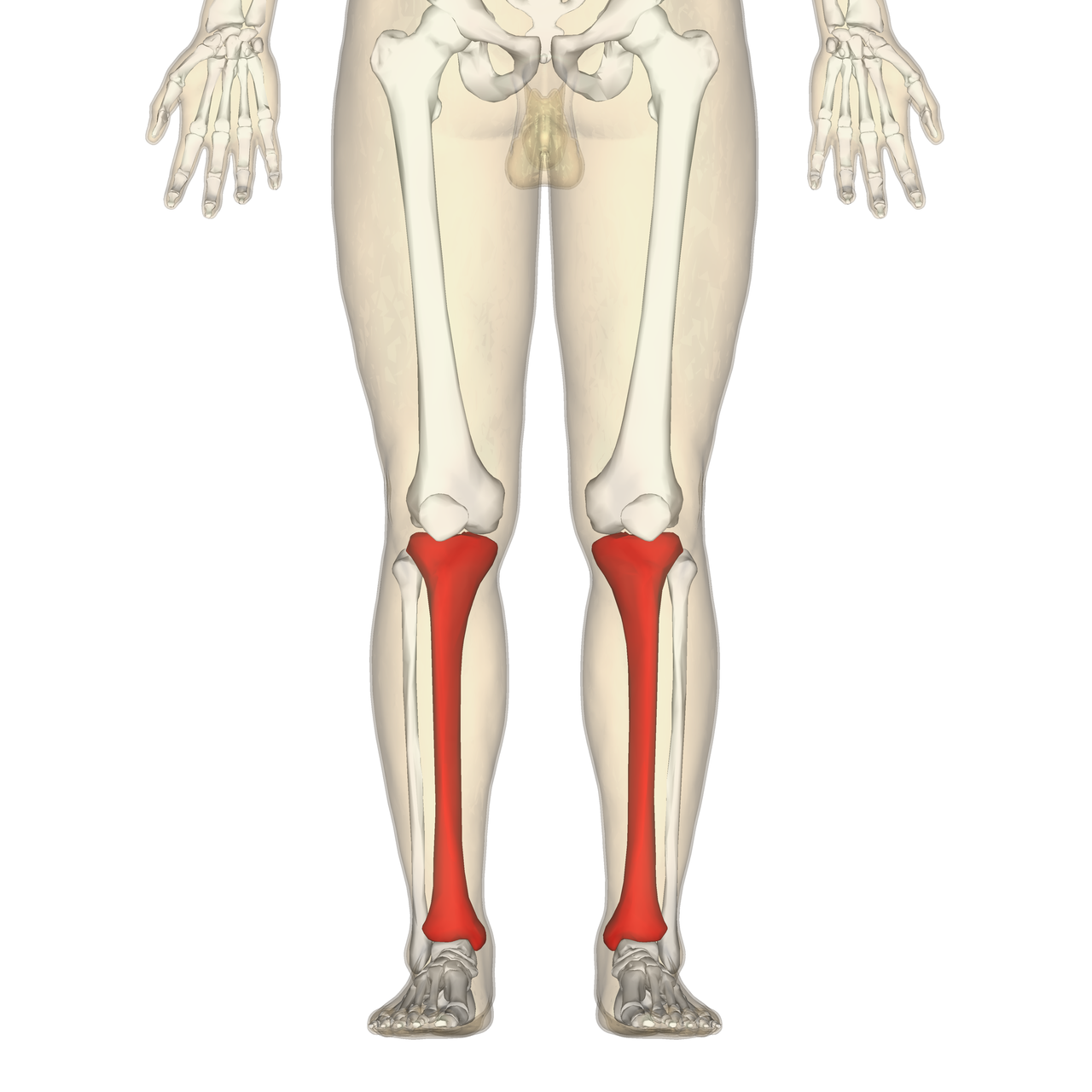
The tibia, commonly known as the shinbone, is the larger and stronger of the two bones in the lower leg, essential for movement and weight-bearing activities.

Explore the internet with AstroSafe
Search safely, manage screen time, and remove ads and inappropriate content with the AstroSafe Browser.
Download

Become a Creator with DIY.org
A safe online space featuring over 5,000 challenges to create, explore and learn in.
Learn more
Overview
The tibia is one of the biggest bones in your body! 🦴
It is located in your lower leg, below your knee and above your ankle. The tibia is also called the "shinbone" because it's the bone that makes up the front part of your lower leg. It helps support your weight and lets you walk, run, and jump. The tibia is strong and can handle lots of pressure, which is important for athletes and active kids. Did you know that the tibia connects to other bones? It joins the femur (thigh bone) at the knee and the fibula (another leg bone) next to it!
It is located in your lower leg, below your knee and above your ankle. The tibia is also called the "shinbone" because it's the bone that makes up the front part of your lower leg. It helps support your weight and lets you walk, run, and jump. The tibia is strong and can handle lots of pressure, which is important for athletes and active kids. Did you know that the tibia connects to other bones? It joins the femur (thigh bone) at the knee and the fibula (another leg bone) next to it!
Read Less
Anatomy of the Tibia
The tibia is shaped like a long, straight stick. It has a thick top part called the "tibial plateau" that connects to the knee. This part has smooth surfaces that help with movement. Below the plateau is the "body" of the tibia, which is long and narrow. At the bottom, the tibia gets wider and forms a lump called the "medial malleolus," which you can feel on the inside of your ankle. The tibia is covered by a tough layer called "periosteum," and inside, it has bone marrow, where blood cells are made! 🩸
Read Less
Functions of the Tibia
The tibia has several important jobs! First, it helps you stand straight and supports your body's weight. 🏃
♂️ When you walk, run, or jump, the tibia absorbs the impact, which protects your body. The tibia also helps in movement. It works with muscles to allow bending and stretching of the leg. It's important in activities like kicking a soccer ball or jumping during a game. Without the tibia, everyday actions would be hard to do! 👟
♂️ When you walk, run, or jump, the tibia absorbs the impact, which protects your body. The tibia also helps in movement. It works with muscles to allow bending and stretching of the leg. It's important in activities like kicking a soccer ball or jumping during a game. Without the tibia, everyday actions would be hard to do! 👟
Read Less
Tibia in the Animal Kingdom
Did you know that animals have tibias too? 🦒
Many four-legged animals like dogs, cats, and even giraffes have a tibia to help them walk and run. The shape and size of the tibia can be different based on how fast they need to move. For example, a giraffe's tibia is much longer than a cat's! Some birds also have tibia bones, which help them land on their feet. So, the next time you see an animal, remember that they have strong tibias just like you do! 🐕
Many four-legged animals like dogs, cats, and even giraffes have a tibia to help them walk and run. The shape and size of the tibia can be different based on how fast they need to move. For example, a giraffe's tibia is much longer than a cat's! Some birds also have tibia bones, which help them land on their feet. So, the next time you see an animal, remember that they have strong tibias just like you do! 🐕
Read Less
Common Injuries and Diseases
Just like any part of our body, the tibia can get hurt! One common injury is called a "tibia fracture," which happens when the bone breaks. This can happen during sports or accidents. If you feel pain in your shin, it's important to tell an adult! Sometimes, diseases like "shin splints" happen, making your tibia hurt when you run. 🏥
It's important to take care of your legs and rest when they feel sore! If something hurts a lot, go see a doctor for help.
It's important to take care of your legs and rest when they feel sore! If something hurts a lot, go see a doctor for help.
Read Less
Interesting Facts about the Tibia
The tibia has some cool facts! Did you know that it’s the second-largest bone in your body? 😮
The largest is the femur in your thigh. Your tibia also supports about 80% of your body's weight when you stand! Astronauts have to exercise in space to keep their tibias strong since weightlessness can weaken their bones! Lastly, the tibia can heal itself naturally if it gets a small fracture, but it's always important to take care of your bones by eating healthy and staying safe! 🌟
The largest is the femur in your thigh. Your tibia also supports about 80% of your body's weight when you stand! Astronauts have to exercise in space to keep their tibias strong since weightlessness can weaken their bones! Lastly, the tibia can heal itself naturally if it gets a small fracture, but it's always important to take care of your bones by eating healthy and staying safe! 🌟
Read Less
Tibia in Sports and Physical Activity
The tibia plays a key role in sports! ⚽
Whether you’re running, playing basketball, or riding a bike, the tibia helps with movements. Athletes rely on their tibias to jump high and run fast! During sports like soccer and football, players often kick the ball using their tibia. Strong bones help athletes perform their best! To keep your tibia healthy, make sure to eat healthy foods, like milk and cheese for calcium, and stay active by playing outside! 🌈
Whether you’re running, playing basketball, or riding a bike, the tibia helps with movements. Athletes rely on their tibias to jump high and run fast! During sports like soccer and football, players often kick the ball using their tibia. Strong bones help athletes perform their best! To keep your tibia healthy, make sure to eat healthy foods, like milk and cheese for calcium, and stay active by playing outside! 🌈
Read Less
Materials and Biomechanics of the Tibia
The tibia is made of very strong materials! It's mostly made of a substance called "bone tissue," which is hard but also has some flexibility. 🌲
This combination allows the tibia to bear weight while still being able to handle pressure when you move. The tibia works with muscles and tendons to help you run and jump. Think of it as a spring – it can stretch and compress but always returns to its original shape! Keeping the tibia healthy can help you stay active and strong! 💪
This combination allows the tibia to bear weight while still being able to handle pressure when you move. The tibia works with muscles and tendons to help you run and jump. Think of it as a spring – it can stretch and compress but always returns to its original shape! Keeping the tibia healthy can help you stay active and strong! 💪
Read Less
Surgical Procedures Involving the Tibia
Sometimes, doctors may need to perform surgery on the tibia. One type is called "tibia repair," which helps fix a broken bone. 🩺
Doctors might use metal rods or screws to hold the bone together while it heals. There could also be a procedure to fix problems caused by diseases. After surgery, patients need to rest and may use crutches to help them walk. It’s important to follow the doctor’s advice for healing properly so they can get back to playing! 🦿
Doctors might use metal rods or screws to hold the bone together while it heals. There could also be a procedure to fix problems caused by diseases. After surgery, patients need to rest and may use crutches to help them walk. It’s important to follow the doctor’s advice for healing properly so they can get back to playing! 🦿
Read Less
Try your luck with the Tibia Quiz.
Try this Tibia quiz and see how many you score!
Q1
Question 1 of 10
Next
Explore More