
Back
Present
Facts for Kids
Plankton are the diverse collection of organisms that drift in water but are unable to actively propel themselves against currents.

Explore the internet with AstroSafe
Search safely, manage screen time, and remove ads and inappropriate content with the AstroSafe Browser.
Download

Become a Creator with DIY.org
A safe online space featuring over 5,000 challenges to create, explore and learn in.
Learn more
Overview
Plankton are tiny creatures that float in oceans, rivers, and lakes 🌊. They can be so small that it's hard to see them without a microscope! There are two main types: phytoplankton (plant-like) and zooplankton (animal-like). Phytoplankton use sunlight to make food, while zooplankton eat other small organisms 🌱. Plankton are super important for life on Earth; they produce about 50% of the oxygen we breathe! 🌍
With billions of plankton in the world’s waters, they play a big role in our ecosystem without even moving. Isn't that amazing?
With billions of plankton in the world’s waters, they play a big role in our ecosystem without even moving. Isn't that amazing?
Read Less
Types of Plankton
Plankton come in various shapes and sizes! 🌈
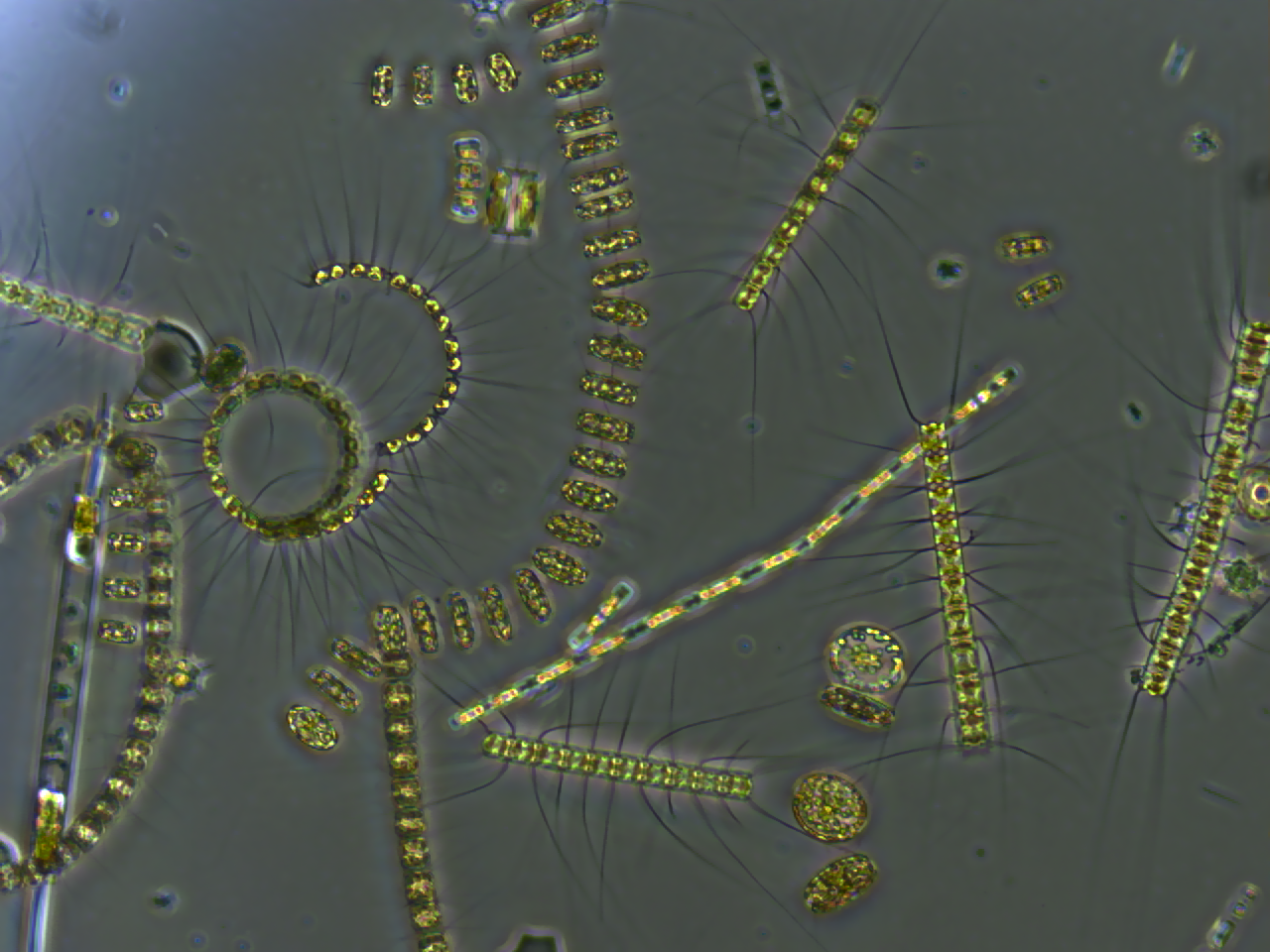
Phytoplankton are tiny plants, including diatoms and dinoflagellates. Diatoms have beautiful, glass-like shells and live near the ocean’s surface. 🎨
Dinoflagellates can make the water glow at night, creating a magical effect called bioluminescence! 🌟
Zooplankton, like krill and jellyfish, are animal-like swimmers. Some zooplankton eat phytoplankton, while others are predators themselves! 🦐
With so many types of plankton, they form a diverse community that benefits everyone in the water.
Phytoplankton are tiny plants, including diatoms and dinoflagellates. Diatoms have beautiful, glass-like shells and live near the ocean’s surface. 🎨
Dinoflagellates can make the water glow at night, creating a magical effect called bioluminescence! 🌟
Zooplankton, like krill and jellyfish, are animal-like swimmers. Some zooplankton eat phytoplankton, while others are predators themselves! 🦐
With so many types of plankton, they form a diverse community that benefits everyone in the water.
Read Less
Planktonic Habitats
Plankton live in various habitats around the world! 🌍
They thrive in oceans, seas, lakes, and rivers. Most plankton float in the top layers of water where sunlight reaches them, helping phytoplankton grow through photosynthesis. ☀
️ They can be found in the Arctic Ocean, the Great Barrier Reef, or even the muddy waters of the Mississippi River! 🌊
Some plankton prefer freshwater, while others live in salty seas. Different habitats host unique plankton communities, contributing to the incredible complexity of marine life! 🐠
They thrive in oceans, seas, lakes, and rivers. Most plankton float in the top layers of water where sunlight reaches them, helping phytoplankton grow through photosynthesis. ☀
️ They can be found in the Arctic Ocean, the Great Barrier Reef, or even the muddy waters of the Mississippi River! 🌊
Some plankton prefer freshwater, while others live in salty seas. Different habitats host unique plankton communities, contributing to the incredible complexity of marine life! 🐠
Read Less
Life Cycle of Plankton
The life cycle of plankton is quite interesting! 🌱
Most phytoplankton reproduce using tiny seeds or spores, multiplying quickly when conditions are right. ✅
Zooplankton often start as larvae before growing into adults. For example, jellyfish begin as tiny polyps before becoming the jelly we recognize! 🐙
Plankton can reproduce in days under the right temperature and light conditions. 🌞
Their cycles are tied to the seasons, with many plankton blooming in spring and summer when resources are abundant. This helps keep the ecosystem balanced and healthy! 🌺
Most phytoplankton reproduce using tiny seeds or spores, multiplying quickly when conditions are right. ✅
Zooplankton often start as larvae before growing into adults. For example, jellyfish begin as tiny polyps before becoming the jelly we recognize! 🐙
Plankton can reproduce in days under the right temperature and light conditions. 🌞
Their cycles are tied to the seasons, with many plankton blooming in spring and summer when resources are abundant. This helps keep the ecosystem balanced and healthy! 🌺
Read Less
Plankton in the Food Web
Plankton are key players in the food web! 🌐
They form the base of many aquatic food chains. Phytoplankton are eaten by tiny creatures like zooplankton. 🦐
Then, larger fish and marine animals, such as whales and sea turtles, munch on them too! 🐋
Even tiny baby fish start their lives eating plankton! This shows how vital they are for the diets of many animals in the ocean. If plankton populations decline, it can lead to fewer fish and sea life, making it important to protect these small wonders!
They form the base of many aquatic food chains. Phytoplankton are eaten by tiny creatures like zooplankton. 🦐
Then, larger fish and marine animals, such as whales and sea turtles, munch on them too! 🐋
Even tiny baby fish start their lives eating plankton! This shows how vital they are for the diets of many animals in the ocean. If plankton populations decline, it can lead to fewer fish and sea life, making it important to protect these small wonders!
Read Less
Plankton and Climate Change
Plankton are affected by climate change just like other living things 🌡️. Rising ocean temperatures can change their habitats and food availability. 🌊
Warmer waters can cause more phytoplankton to grow, leading to algal blooms. 🌿
These blooms can take away oxygen, making it difficult for animals to survive. Moreover, melting polar ice can disrupt their ecosystems and the animals that depend on them. 🐧
Understanding how climate change affects plankton helps scientists predict its broader impact on ocean health and the environment! 🌍
Warmer waters can cause more phytoplankton to grow, leading to algal blooms. 🌿
These blooms can take away oxygen, making it difficult for animals to survive. Moreover, melting polar ice can disrupt their ecosystems and the animals that depend on them. 🐧
Understanding how climate change affects plankton helps scientists predict its broader impact on ocean health and the environment! 🌍
Read Less
Plankton in Popular Culture
Plankton might be tiny, but they’ve made a big splash in popular culture! 📺
In the animated series "SpongeBob SquarePants," there’s a character named Plankton who is always trying to steal the Krabby Patty secret formula! 🍔
This shows how people think about plankton in fun ways! Books and documentaries also teach us about their importance in nature. Many schools even encourage students to learn about plankton through fun projects! 🌟
By making stories and shows about them, we can understand their role and why they matter!
In the animated series "SpongeBob SquarePants," there’s a character named Plankton who is always trying to steal the Krabby Patty secret formula! 🍔
This shows how people think about plankton in fun ways! Books and documentaries also teach us about their importance in nature. Many schools even encourage students to learn about plankton through fun projects! 🌟
By making stories and shows about them, we can understand their role and why they matter!
Read Less
Interesting Facts About Plankton
Did you know some plankton can be as small as a single cell? 🤯
Others, like jellyfish, can grow very large! 🌊
The word "plankton" comes from the Greek word "planktos," which means "drifter." 🌌 Scientists have discovered over 8,000 different types of plankton! The largest plankton, the giant jellyfish, can have tentacles longer than a blue whale! 🐋
That's super impressive! Lastly, phytoplankton can reproduce so quickly that some species double in number just a few hours! 🌱
Isn't it cool how such small organisms can have such a big impact?
Others, like jellyfish, can grow very large! 🌊
The word "plankton" comes from the Greek word "planktos," which means "drifter." 🌌 Scientists have discovered over 8,000 different types of plankton! The largest plankton, the giant jellyfish, can have tentacles longer than a blue whale! 🐋
That's super impressive! Lastly, phytoplankton can reproduce so quickly that some species double in number just a few hours! 🌱
Isn't it cool how such small organisms can have such a big impact?
Read Less
Technology for Studying Plankton
Scientists use cool technology to study plankton! 🔬
They often use microscopes to see the tiny creatures up close. Some researchers even send special devices called plankton tow nets into the ocean to collect samples. 🌊
These nets capture plankton while allowing water to flow through. Additionally, satellites can also help track plankton movements and blooms from space! 📡
By studying plankton, scientists learn about the health of our oceans and understand better how these tiny organisms affect our world! 🔍
They often use microscopes to see the tiny creatures up close. Some researchers even send special devices called plankton tow nets into the ocean to collect samples. 🌊
These nets capture plankton while allowing water to flow through. Additionally, satellites can also help track plankton movements and blooms from space! 📡
By studying plankton, scientists learn about the health of our oceans and understand better how these tiny organisms affect our world! 🔍
Read Less
Role of Plankton in the Ecosystem
Plankton are tiny but mighty! 💪
They are the foundation of the aquatic food web! Phytoplankton produce oxygen and are food for zooplankton, which are then eaten by larger animals like fish 🐟. Many whales rely on krill, a type of zooplankton, for their meals! 🌊
Plankton help filter the water, keeping ecosystems clean. They also contribute to carbon cycling by absorbing carbon dioxide from the atmosphere, which helps fight climate change 🌍. Every organism in the water, big or small, depends on plankton for survival!
They are the foundation of the aquatic food web! Phytoplankton produce oxygen and are food for zooplankton, which are then eaten by larger animals like fish 🐟. Many whales rely on krill, a type of zooplankton, for their meals! 🌊
Plankton help filter the water, keeping ecosystems clean. They also contribute to carbon cycling by absorbing carbon dioxide from the atmosphere, which helps fight climate change 🌍. Every organism in the water, big or small, depends on plankton for survival!
Read Less
Human Impact on Plankton Populations
Humans have a big impact on plankton populations 🌎. Activities like pollution, overfishing, and climate change can hurt these important creatures. For instance, plastic waste in oceans can harm plankton and disrupt food chains. 🥤
When temperatures rise, plankton blooms can occur, leading to harmful algal blooms that produce toxins. 🚫
These can poison fish and make the water unsafe for swimming! To protect plankton, we can reduce waste, use less plastic, and support clean water initiatives. 🌊
Doing so helps ensure a healthy planet for everyone!
When temperatures rise, plankton blooms can occur, leading to harmful algal blooms that produce toxins. 🚫
These can poison fish and make the water unsafe for swimming! To protect plankton, we can reduce waste, use less plastic, and support clean water initiatives. 🌊
Doing so helps ensure a healthy planet for everyone!
Read Less
Try your luck with the Plankton Quiz.
Try this Plankton quiz and see how many you score!
Q1
Question 1 of 10
Next
Explore More