
Back
Present
Facts for Kids
A month is a unit of time that helps us organize days, typically lasting about 30 or 31 days, and is tied to the cycles of the moon.

Explore the internet with AstroSafe
Search safely, manage screen time, and remove ads and inappropriate content with the AstroSafe Browser.
Download

Become a Creator with DIY.org
A safe online space featuring over 5,000 challenges to create, explore and learn in.
Learn more
Overview
A month is a time unit that helps us keep track of days! 🌙
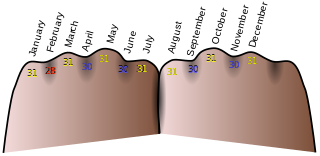
A month usually lasts around 30 or 31 days. There are 12 months in a year, making a total of 365 days. Each month has a name: January, February, March, April, May, June, July, August, September, October, November, and December. Did you know that February is the only month with 28 days, or 29 in a leap year? 🌈
Months are based on the moon's cycles, which is why we see the word "month" and "moon" mean similar things!
A month usually lasts around 30 or 31 days. There are 12 months in a year, making a total of 365 days. Each month has a name: January, February, March, April, May, June, July, August, September, October, November, and December. Did you know that February is the only month with 28 days, or 29 in a leap year? 🌈
Months are based on the moon's cycles, which is why we see the word "month" and "moon" mean similar things!
Read Less
Etymology of the Month
The word “month” comes from the Old English word “mōnað,” which is also related to the word "moon" 🌕. This shows how months were first used to track the moon's phases. The connection is strong, as a lunar month is about 29.5 days. Ancient people noticed how the moon changed from a crescent shape to a full moon and back again, which helped them create months. 🌓
Different languages have similar roots: in Spanish, "mes" means month, and in Latin, "mensis" means the same. Isn't it cool how words evolve over time?
Different languages have similar roots: in Spanish, "mes" means month, and in Latin, "mensis" means the same. Isn't it cool how words evolve over time?
Read Less
Modern Calendar Systems
Today, most people use the Gregorian calendar, created by Pope Gregory XIII in 1582. It corrects the calendar to fit the Earth's orbit around the sun more precisely. 🌍
It organizes time into 12 months, each varied in length from 28 to 31 days. January 1st is celebrated as New Year’s Day! 🎉
Different cultures might still use other calendars like the Lunar calendar for festivals. For example, the Chinese New Year is based on the lunar calendar! So, calendars help everyone in the world keep time together, even if their celebrations differ!
It organizes time into 12 months, each varied in length from 28 to 31 days. January 1st is celebrated as New Year’s Day! 🎉
Different cultures might still use other calendars like the Lunar calendar for festivals. For example, the Chinese New Year is based on the lunar calendar! So, calendars help everyone in the world keep time together, even if their celebrations differ!
Read Less
The Concept of Leap Months
Besides leap days, some calendars even have leap months! 🗓
️ A leap month is added to help keep a lunar calendar aligned with the solar year. For instance, the Hebrew calendar sometimes adds a leap month called "Adar I," which happens in some years to stay synchronized with the seasons! 🌙
This is important to keep Jewish holidays in their proper season! Different cultures celebrate leap months too! Leap months help remind us how remarkable and unique our calendars can be! 🌟
️ A leap month is added to help keep a lunar calendar aligned with the solar year. For instance, the Hebrew calendar sometimes adds a leap month called "Adar I," which happens in some years to stay synchronized with the seasons! 🌙
This is important to keep Jewish holidays in their proper season! Different cultures celebrate leap months too! Leap months help remind us how remarkable and unique our calendars can be! 🌟
Read Less
February: The Shortest Month
Did you know that February is the shortest month of the year? ❄
️ It has just 28 days in common years and 29 in leap years! A leap year happens every four years, so 2020 and 2024 saw February getting a chance to have an extra day, also known as Leap Day! 🎈
This special day is perfect for celebrating birthdays for those who only have one once every four years! February is also famous for being cold in many places, which makes it perfect for winter activities like snowball fights! ⛄
️ It has just 28 days in common years and 29 in leap years! A leap year happens every four years, so 2020 and 2024 saw February getting a chance to have an extra day, also known as Leap Day! 🎈
This special day is perfect for celebrating birthdays for those who only have one once every four years! February is also famous for being cold in many places, which makes it perfect for winter activities like snowball fights! ⛄
Read Less
Months in Different Languages
Months are named very differently in various languages! 🌐
In French, January is “janvier,” and in Spanish, it is “enero.” Every language has its unique twist! In Japanese, January is called “ichigatsu” (一月), meaning "first month." 🇯🇵 In German, February is "Februar," while in Chinese, it is “二月” (èr yuè), meaning "second month." Isn’t it amazing how people worldwide talk about the same concept, but with their special words? 🌍
Language helps us connect in unique ways!
In French, January is “janvier,” and in Spanish, it is “enero.” Every language has its unique twist! In Japanese, January is called “ichigatsu” (一月), meaning "first month." 🇯🇵 In German, February is "Februar," while in Chinese, it is “二月” (èr yuè), meaning "second month." Isn’t it amazing how people worldwide talk about the same concept, but with their special words? 🌍
Language helps us connect in unique ways!
Read Less
Cultural Significance of Months
Months have unique meanings in cultures all around the world. 🌍
For instance, in many countries, September marks the beginning of fall and harvest, while spring begins in March. Festivals are often celebrated in specific months too, like Diwali in October and Halloween in October! 🎃
Different cultures may also attach special meanings to months: in Hindu calendars, months can be celebrated for religious reasons and festivals. Months help us remember seasons and traditions throughout the year!
For instance, in many countries, September marks the beginning of fall and harvest, while spring begins in March. Festivals are often celebrated in specific months too, like Diwali in October and Halloween in October! 🎃
Different cultures may also attach special meanings to months: in Hindu calendars, months can be celebrated for religious reasons and festivals. Months help us remember seasons and traditions throughout the year!
Read Less
Historical Calendars and Months
Throughout history, people have used different calendars. For example, the Romans created the Julian calendar in 45 BCE, which added months to better match seasons. 🏛
️ Originally, there were only ten months! Later, January and February were added to make twelve. Many ancient cultures, like the Egyptians, had different calendars too. They tracked the year by the floods of the Nile 🌊. The Mayans used a calendar with 18 months, each with 20 days, plus an extra month! 🌞
Remember, calendars help us organize our lives!
️ Originally, there were only ten months! Later, January and February were added to make twelve. Many ancient cultures, like the Egyptians, had different calendars too. They tracked the year by the floods of the Nile 🌊. The Mayans used a calendar with 18 months, each with 20 days, plus an extra month! 🌞
Remember, calendars help us organize our lives!
Read Less
Impact of Months on Agriculture
Months have a big effect on farming! 🌾
Farmers rely on the calendar to know when to plant seeds and when to harvest crops. For example, planting is often done in spring months like April and May, while harvesting happens in late summer or fall. Sep and Oct are popular for gathering wheat or corn! 🌽
The climate and what month it is can change what crops can grow where. Plus, farmers also celebrate harvest in autumn with fall festivals! 🥳
This seasonal timing helps everyone enjoy fresh food throughout the year!
Farmers rely on the calendar to know when to plant seeds and when to harvest crops. For example, planting is often done in spring months like April and May, while harvesting happens in late summer or fall. Sep and Oct are popular for gathering wheat or corn! 🌽
The climate and what month it is can change what crops can grow where. Plus, farmers also celebrate harvest in autumn with fall festivals! 🥳
This seasonal timing helps everyone enjoy fresh food throughout the year!
Read Less
Types of Months: Lunar vs. Solar
There are two main types of months: lunar and solar. 🌒
A lunar month is about 29.5 days, based on the moon's phases, while a solar month is part of the solar year based on the Earth’s journey around the sun. Solar months power our Gregorian calendar. ☀
️ For example, March has 31 days but isn't tied to the moon! Some cultures, like in the Islamic calendar, follow lunar months, making the dates change each year 🎊. Knowing about both helps us celebrate and track time beautifully!
A lunar month is about 29.5 days, based on the moon's phases, while a solar month is part of the solar year based on the Earth’s journey around the sun. Solar months power our Gregorian calendar. ☀
️ For example, March has 31 days but isn't tied to the moon! Some cultures, like in the Islamic calendar, follow lunar months, making the dates change each year 🎊. Knowing about both helps us celebrate and track time beautifully!
Read Less
Monthly Celebrations and Holidays
Each month is filled with special holidays and celebrations! 🎊
For example, January brings New Year's Day, when many people make resolutions. Valentine's Day in February is all about love! ❤
️ March is known for St. Patrick's Day when wearing green is encouraged! In April, we celebrate Easter 🐣, while May is famous for Mother’s Day. Moving on to June, it's often associated with summer fun! 🎉
So, each month helps us connect with friends and family through traditions and joy!
For example, January brings New Year's Day, when many people make resolutions. Valentine's Day in February is all about love! ❤
️ March is known for St. Patrick's Day when wearing green is encouraged! In April, we celebrate Easter 🐣, while May is famous for Mother’s Day. Moving on to June, it's often associated with summer fun! 🎉
So, each month helps us connect with friends and family through traditions and joy!
Read Less
Try your luck with the Month Quiz.
Try this Month quiz and see how many you score!
Q1
Question 1 of 10
Next
Explore More