
Back
Present
Facts for Kids
Latex is a versatile material that can be natural or synthetic, known for its elasticity and durability, commonly used in products ranging from mattresses to gloves and paints.

Explore the internet with AstroSafe
Search safely, manage screen time, and remove ads and inappropriate content with the AstroSafe Browser.
Download

Become a Creator with DIY.org
A safe online space featuring over 5,000 challenges to create, explore and learn in.
Learn more
Overview
LaTeX is a special type of material that helps make things like balloons and rubber bands! 🎈
It's stretchy and bouncy, making it perfect for fun toys. LaTeX comes from rubber trees, mostly found in countries like Thailand, Indonesia, and Malaysia. 🍃
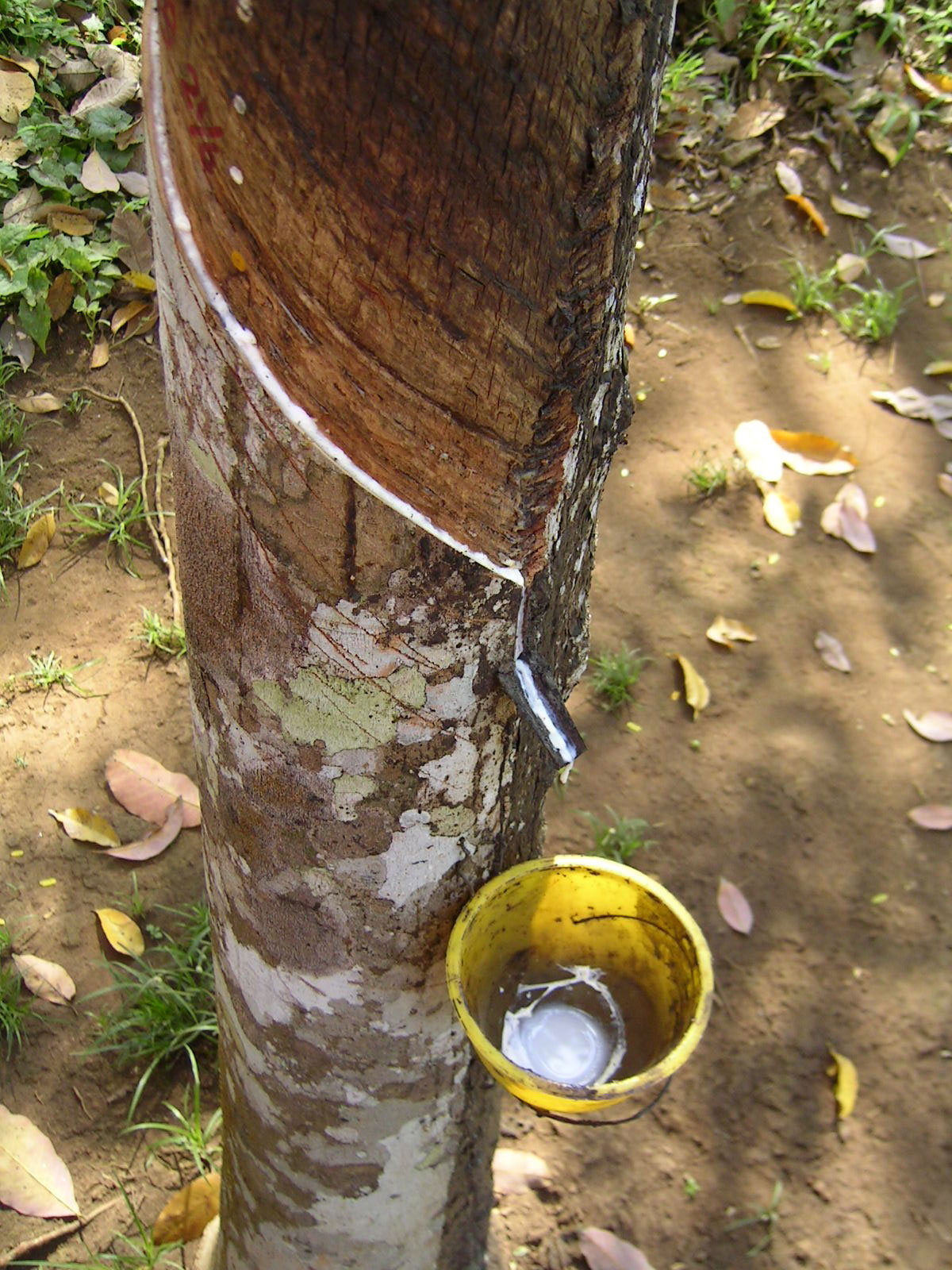
When the trees' bark is cut, a milky substance called latex oozes out. After collecting and processing, it turns into the elastic material we know!
Did you know? LaTeX is used in many one-of-a-kind products! From car tires to medical gloves, this versatile material helps keep us safe and entertained! 🏎
️🧤
It's stretchy and bouncy, making it perfect for fun toys. LaTeX comes from rubber trees, mostly found in countries like Thailand, Indonesia, and Malaysia. 🍃
When the trees' bark is cut, a milky substance called latex oozes out. After collecting and processing, it turns into the elastic material we know!
Did you know? LaTeX is used in many one-of-a-kind products! From car tires to medical gloves, this versatile material helps keep us safe and entertained! 🏎
️🧤
Read Less
History of LaTeX
LaTeX has a rich history! 🌳
The use of natural rubber goes back over 3,000 years! Ancient people in Mexico used a form of it to make balls for games. In 1839, Charles Goodyear invented the process of vulcanization, which made rubber stronger and more durable. 🔍
This discovery changed everything!
In the late 19th century, rubber became more popular, making products like raincoats and shoes. By the 20th century, LaTeX was being used in many new ways! Today, it remains an important material, helping to create many everyday items we use. 🌟
The use of natural rubber goes back over 3,000 years! Ancient people in Mexico used a form of it to make balls for games. In 1839, Charles Goodyear invented the process of vulcanization, which made rubber stronger and more durable. 🔍
This discovery changed everything!
In the late 19th century, rubber became more popular, making products like raincoats and shoes. By the 20th century, LaTeX was being used in many new ways! Today, it remains an important material, helping to create many everyday items we use. 🌟
Read Less
Basic Syntax and Commands
Using LaTeX can be fun and creative! 🎨
But did you know that in the world of rubber, "syntax" refers to how we make things from LaTeX? 🏗
️ When rubber is turned into products, special machines and methods help transform it into shapes we love, like shapes for inflatable toys!
For example, the latex is poured into molds, then heated to create solid shapes. 🔥
This is similar to using cues like in our schoolwork—following instructions helps us create good projects! Think of it as following a recipe for your favorite treat! 🍰
But did you know that in the world of rubber, "syntax" refers to how we make things from LaTeX? 🏗
️ When rubber is turned into products, special machines and methods help transform it into shapes we love, like shapes for inflatable toys!
For example, the latex is poured into molds, then heated to create solid shapes. 🔥
This is similar to using cues like in our schoolwork—following instructions helps us create good projects! Think of it as following a recipe for your favorite treat! 🍰
Read Less
Resources and Communities
Want to explore more about LaTeX? 🕵
️♂️ There are tons of fun resources to help you! Many websites and books talk about latex. You can watch exciting videos that show how latex is processed into products we love, like balloons! 🎈
You can ask questions and share experiments in special groups or forums online. It’s like gathering with friends to chat about your favorite toys! 👥
Thus, making new friends who share the same interests can be fun!
So dive in, learn, and get involved with people who are just as interested in LaTeX as you are! 🌍
️♂️ There are tons of fun resources to help you! Many websites and books talk about latex. You can watch exciting videos that show how latex is processed into products we love, like balloons! 🎈
You can ask questions and share experiments in special groups or forums online. It’s like gathering with friends to chat about your favorite toys! 👥
Thus, making new friends who share the same interests can be fun!
So dive in, learn, and get involved with people who are just as interested in LaTeX as you are! 🌍
Read Less
Getting Started with LaTeX
Do you want to learn about LaTeX? 📚
First, remember that it comes from trees! To start, we can explore where the rubber trees are found: mainly in tropical regions. 🌿
When learning about LaTeX, you might make a trip to a rubber plantation! These are farms where people collect latex from rubber trees. It’s amazing to see how they cut the tree’s bark and fill containers with the liquid latex! 🥤
You can also experiment with simple latex items like balloons at home! Blow them up and enjoy! Just remember to recycle your balloons afterward, please! 🌍
First, remember that it comes from trees! To start, we can explore where the rubber trees are found: mainly in tropical regions. 🌿
When learning about LaTeX, you might make a trip to a rubber plantation! These are farms where people collect latex from rubber trees. It’s amazing to see how they cut the tree’s bark and fill containers with the liquid latex! 🥤
You can also experiment with simple latex items like balloons at home! Blow them up and enjoy! Just remember to recycle your balloons afterward, please! 🌍
Read Less
LaTeX for Academic Writing
LaTeX isn’t just for fun; it’s important for learning, too! 📖
In schools, LaTeX helps us make stoic projects and even scientific posters! 🌟
For students, understanding LaTeX can help with math and science homework.
Using LaTeX allows students to write papers that look professional, just like in science fair projects! 🏆
It’s excellent to showcase images, tables, and math equations clearly! 🎉
Remember, presenting our work well is part of learning, showing how proud we are of our achievements! Keep practicing, and you’ll be an expert in no time! 🌈
In schools, LaTeX helps us make stoic projects and even scientific posters! 🌟
For students, understanding LaTeX can help with math and science homework.
Using LaTeX allows students to write papers that look professional, just like in science fair projects! 🏆
It’s excellent to showcase images, tables, and math equations clearly! 🎉
Remember, presenting our work well is part of learning, showing how proud we are of our achievements! Keep practicing, and you’ll be an expert in no time! 🌈
Read Less
Advanced Features and Packages
LaTeX has cool advanced features! 😎
In the world of rubber products, we can add extra things to latex to improve it! For example, chemicals can be mixed in to make it stronger or even colored! 🎨
This mix of materials makes exciting products, from colorful rubber ducks to sturdy bouncy balls! 🦆🪀 Just like how computers have advanced packages to make coding easier! 🖥
️
By adding these "features" to the latex, companies can create amazing things to play with or use in daily activities! It's like magic! 🪄
In the world of rubber products, we can add extra things to latex to improve it! For example, chemicals can be mixed in to make it stronger or even colored! 🎨
This mix of materials makes exciting products, from colorful rubber ducks to sturdy bouncy balls! 🦆🪀 Just like how computers have advanced packages to make coding easier! 🖥
️
By adding these "features" to the latex, companies can create amazing things to play with or use in daily activities! It's like magic! 🪄
Read Less
Common Errors and Troubleshooting
Sometimes working with LaTeX can be tricky! 😅
Mistakes happen, and that’s okay! If a balloon pops while playing, it’s important to check if there was anything sharp nearby. Similarly, while using LaTeX, common mistakes can include typos that could make your document look funny!
If you see weird symbols or errors, take a closer look at your work! 🔍
Just like fixing a puzzle, look for where parts go wrong. Asking a friend, teacher, or adult for help can make things easier, too! 🙌
Just remember, everyone makes mistakes—it’s all part of learning! 🎈
Mistakes happen, and that’s okay! If a balloon pops while playing, it’s important to check if there was anything sharp nearby. Similarly, while using LaTeX, common mistakes can include typos that could make your document look funny!
If you see weird symbols or errors, take a closer look at your work! 🔍
Just like fixing a puzzle, look for where parts go wrong. Asking a friend, teacher, or adult for help can make things easier, too! 🙌
Just remember, everyone makes mistakes—it’s all part of learning! 🎈
Read Less
Best Practices for Document Formatting
Making great LaTeX documents is like creating a beautiful artwork! 🎆
To start, always keep your writing neat and organized—use headings to separate sections! It's just like drawing lines to make a cool design. ✏
️
Using bullet points can help make your information clear. Similar to a recipe where you list ingredients, breaking things down helps others understand. 📃
Just as coloring outside the lines can be fun, using different fonts and sizes in LaTeX can give your work a creative flair! 🎨
Just remember to balance fun and clarity!
To start, always keep your writing neat and organized—use headings to separate sections! It's just like drawing lines to make a cool design. ✏
️
Using bullet points can help make your information clear. Similar to a recipe where you list ingredients, breaking things down helps others understand. 📃
Just as coloring outside the lines can be fun, using different fonts and sizes in LaTeX can give your work a creative flair! 🎨
Just remember to balance fun and clarity!
Read Less
Try your luck with the Latex Quiz.
Try this Latex quiz and see how many you score!
Q1
Question 1 of 10
Next
Explore More