
Back
Present
Facts for Kids
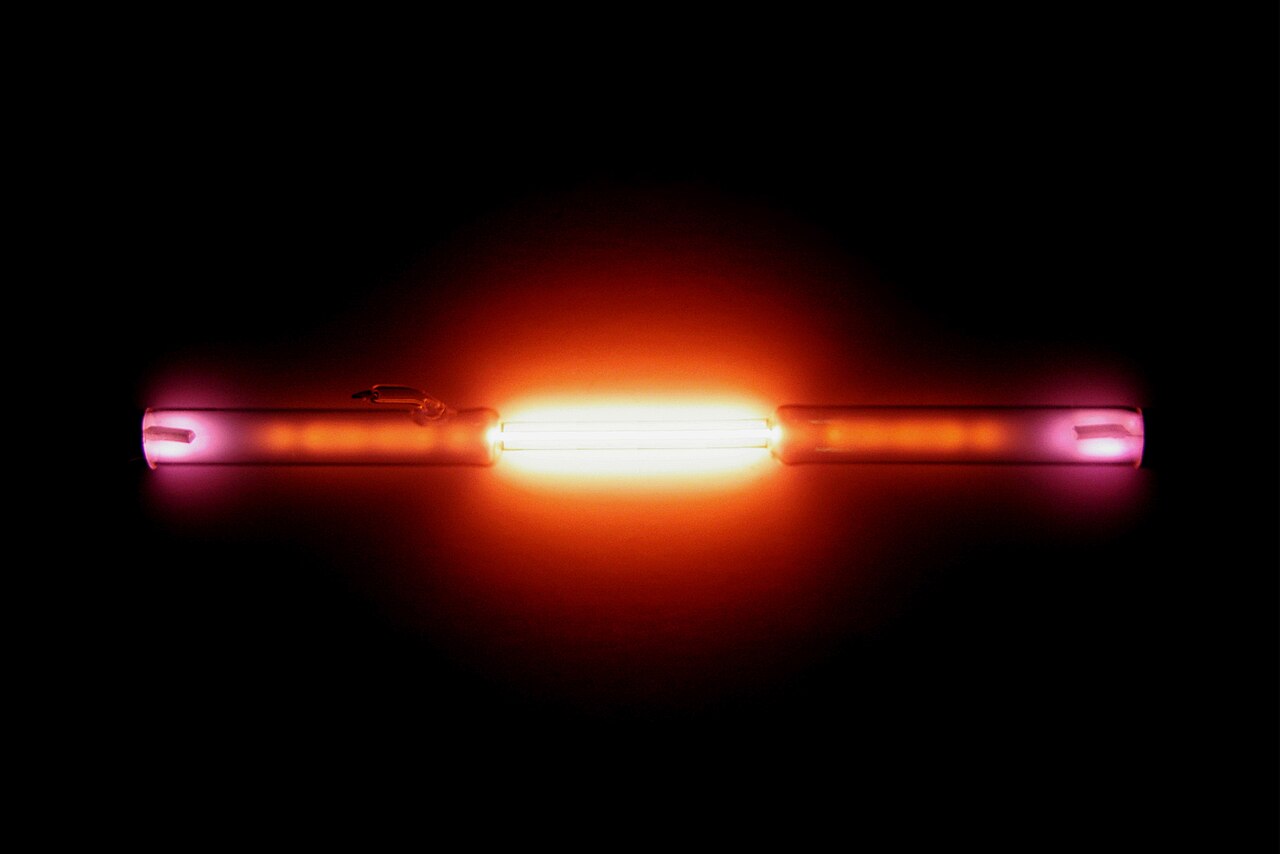
Helium is a colorless, odorless, and tasteless inert gas that is the second lightest element in the periodic table, known for its low density and a variety of applications in science and industry.

Explore the internet with AstroSafe
Search safely, manage screen time, and remove ads and inappropriate content with the AstroSafe Browser.
Download

Become a Creator with DIY.org
A safe online space featuring over 5,000 challenges to create, explore and learn in.
Learn more
Overview
Helium is a colorless and odorless gas found at the second spot on the periodic table, symbolized as He. 🌈
It was discovered in 1868 by a French astronomer named Pierre Janssen while he was studying the sun. Helium is the second lightest element in the universe, making it float in the air, which is why it’s used in balloons! 🎈
You can find helium in natural gas, mainly in places like the United States, Qatar, and Algeria. Helium is super important not only for fun but also for science!
It was discovered in 1868 by a French astronomer named Pierre Janssen while he was studying the sun. Helium is the second lightest element in the universe, making it float in the air, which is why it’s used in balloons! 🎈
You can find helium in natural gas, mainly in places like the United States, Qatar, and Algeria. Helium is super important not only for fun but also for science!
Read Less
Uses of Helium
Helium is super useful! 🎉
It’s famously used to make balloons float. But it helps scientists, too! Helium cools superconducting magnets in MRI machines, which help doctors see inside our bodies. 🏥
It is also used in deep-sea diving because it reduces the risk of "raptures" for divers! You can even find helium in some video games and scientific research. Thank you, helium, for all the fun and important things you do! 🎮
It’s famously used to make balloons float. But it helps scientists, too! Helium cools superconducting magnets in MRI machines, which help doctors see inside our bodies. 🏥
It is also used in deep-sea diving because it reduces the risk of "raptures" for divers! You can even find helium in some video games and scientific research. Thank you, helium, for all the fun and important things you do! 🎮
Read Less
Future of Helium
Scientists believe that even though helium is precious and running low, new strategies can help us conserve it. 🔮
Some researchers are working on ways to recycle helium from used equipment! With more technology and recycling, we can keep helium around longer. ⚙
️Discovering new helium sources or finding ways to create it artificially is also a goal for the future! Imagine a world where helium balloons never lose their magic! 🎈
Some researchers are working on ways to recycle helium from used equipment! With more technology and recycling, we can keep helium around longer. ⚙
️Discovering new helium sources or finding ways to create it artificially is also a goal for the future! Imagine a world where helium balloons never lose their magic! 🎈
Read Less
Helium Production
Most helium comes from natural gas wells, especially in the USA! 🇺🇸 Places like the Texas Panhandle, where natural gas lurks underground, are major helium producers. To get helium, scientists take the natural gas and use special machines to separate it—like squeezing juice from a fruit 🍊. Helium is found in small amounts, usually about 0.3% in natural gas. Because it’s rare, we always try to save and recycle it whenever possible! 🌎
Read Less
Helium in Science
Helium plays a big role in science! 🌌
It helps scientists study supercooled materials and the universe. Liquid helium cools powerful machines like particle accelerators, helping researchers understand atoms! 🧪
It's also used in cryogenics—the study of materials at super-low temperatures. In addition, helium can even create a vacuum, allowing scientists to conduct experiments without air interfering. Thanks to helium, we learn more about science every day! 🔭
It helps scientists study supercooled materials and the universe. Liquid helium cools powerful machines like particle accelerators, helping researchers understand atoms! 🧪
It's also used in cryogenics—the study of materials at super-low temperatures. In addition, helium can even create a vacuum, allowing scientists to conduct experiments without air interfering. Thanks to helium, we learn more about science every day! 🔭
Read Less
History of Helium
Helium was first discovered during a solar eclipse in 1868 when scientists saw a new yellow line in the sun's spectrum. Pierre Janssen thought it was a new element, and he named it after Helios, the Greek god of the sun 🌞. Later, in 1895, an English scientist named Sir William Ramsay found helium on Earth while studying uranium. The gas was isolated in a lab, which means it was separated to study. Helium was only first used in balloons in the 1920s, making it a fun event at parties! 🎉
Read Less
Properties of Helium
Helium has some really cool properties! It is lighter than air and doesn't catch fire, which makes it perfect for balloons. 🎈
Helium is also very cold when it’s used in its liquid form, and it freezes only at super low temperatures—about -272 degrees Celsius! It is one of the noble gases, which means it doesn’t easily mix with other elements. Helium can’t be seen or smelled, making it mysterious! 🕵
️♂️ When you inhale helium, your voice sounds funny and high-pitched because the gas changes how sound travels!
Helium is also very cold when it’s used in its liquid form, and it freezes only at super low temperatures—about -272 degrees Celsius! It is one of the noble gases, which means it doesn’t easily mix with other elements. Helium can’t be seen or smelled, making it mysterious! 🕵
️♂️ When you inhale helium, your voice sounds funny and high-pitched because the gas changes how sound travels!
Read Less
Helium and Popular Culture
Helium has been featured in fun movies and cartoons! 🎬
In movies like "Up," balloons filled with helium help a house float through the sky! Comic characters like SpongeBob SquarePants also play with helium, making their voices hilariously funny! 😄
Helium parties are super popular, especially at birthday celebrations where kids love to let their balloons fly high! 🎉
With its fun uses and pure quirks, helium continues to bring laughter and excitement to everyone!
In movies like "Up," balloons filled with helium help a house float through the sky! Comic characters like SpongeBob SquarePants also play with helium, making their voices hilariously funny! 😄
Helium parties are super popular, especially at birthday celebrations where kids love to let their balloons fly high! 🎉
With its fun uses and pure quirks, helium continues to bring laughter and excitement to everyone!
Read Less
Environmental Impact of Helium
Helium is a clean gas that doesn’t harm the environment! 🌍
It doesn’t combine with other elements, so it won’t pollute air or water. However, extracting helium can have impacts if companies don’t do it safely. 🌱
It's important to use helium wisely and not waste it since it's a non-renewable resource, meaning it can run out! Let's make sure we're responsible with helium to protect our planet 🌿 and enjoy it for future generations!
It doesn’t combine with other elements, so it won’t pollute air or water. However, extracting helium can have impacts if companies don’t do it safely. 🌱
It's important to use helium wisely and not waste it since it's a non-renewable resource, meaning it can run out! Let's make sure we're responsible with helium to protect our planet 🌿 and enjoy it for future generations!
Read Less
Try your luck with the Helium Quiz.
Try this Helium quiz and see how many you score!
Q1
Question 1 of 10
Next
Explore More