
Back
Present
Facts for Kids
The Gobi Desert is a vast, arid region known for its extreme temperature variations, unique wildlife, and historical significance along the Silk Road.

Explore the internet with AstroSafe
Search safely, manage screen time, and remove ads and inappropriate content with the AstroSafe Browser.
Download

Become a Creator with DIY.org
A safe online space featuring over 5,000 challenges to create, explore and learn in.
Learn more
Overview
The Gobi Desert is a vast and fascinating desert located in Asia! 🌏
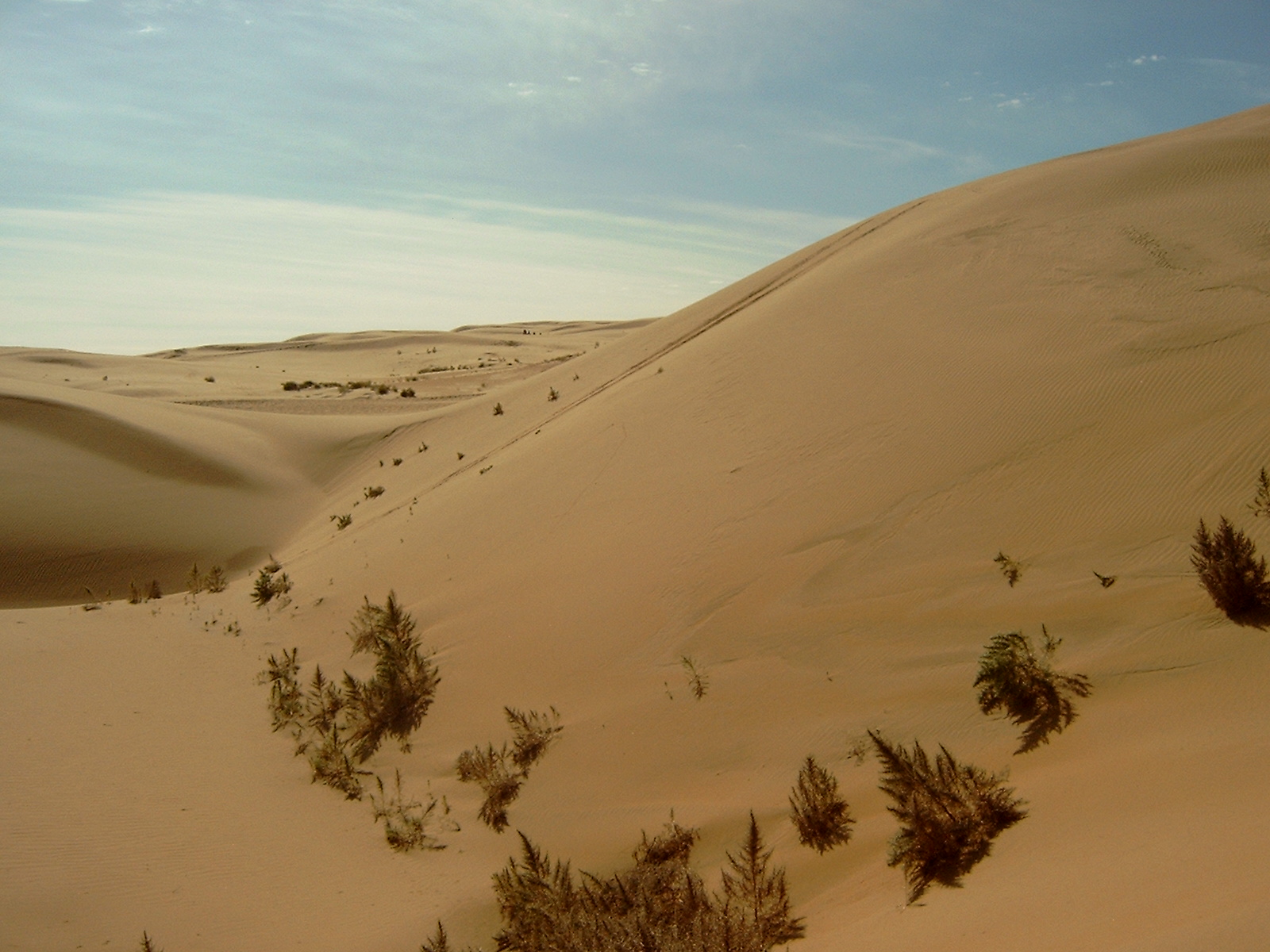
It covers parts of northern China and southern Mongolia. The desert is famous for its incredible landscapes, including sand dunes, mountains, and rocky places. The name "Gobi" means "desert" in Mongolian. This giant desert is the fifth largest in the world, covering about 1.3 million square kilometers! 🌵
A cool fact about the Gobi is that it has extreme temperatures, ranging from hot summers to super cold winters. It’s a unique place full of surprises waiting to be explored! 🏜
️
It covers parts of northern China and southern Mongolia. The desert is famous for its incredible landscapes, including sand dunes, mountains, and rocky places. The name "Gobi" means "desert" in Mongolian. This giant desert is the fifth largest in the world, covering about 1.3 million square kilometers! 🌵
A cool fact about the Gobi is that it has extreme temperatures, ranging from hot summers to super cold winters. It’s a unique place full of surprises waiting to be explored! 🏜
️
Read Less
Flora and Fauna
Even though the Gobi Desert is dry, it’s home to many cool plants and animals! 🌵
Some plants like the saxaul tree have deep roots to find water. Other plants include wild onions and licorice root. 🌾
As for animals, there are amazing creatures like the Gobi bear, which is one of the rarest bears in the world! 🐻
You can also find camels, lizards, and even snow leopards! 🐾
The Gobi Desert is a special habitat for these unique species, making it a very interesting place for wildlife.
Some plants like the saxaul tree have deep roots to find water. Other plants include wild onions and licorice root. 🌾
As for animals, there are amazing creatures like the Gobi bear, which is one of the rarest bears in the world! 🐻
You can also find camels, lizards, and even snow leopards! 🐾
The Gobi Desert is a special habitat for these unique species, making it a very interesting place for wildlife.
Read Less
Economic Activities
The Gobi Desert is not just a barren land; it's also important for the economy! 💰
People engage in activities like herding livestock, which provides food and clothing. Herders raise goats, sheep, and camels. 🐏
The desert is also rich in resources, like coal and copper. Mining companies work to extract these valuable minerals. 🚧
Additionally, tourism has become significant as people come to explore the vast landscapes and see unique animals. The balance between nature and human activities is very important here!
People engage in activities like herding livestock, which provides food and clothing. Herders raise goats, sheep, and camels. 🐏
The desert is also rich in resources, like coal and copper. Mining companies work to extract these valuable minerals. 🚧
Additionally, tourism has become significant as people come to explore the vast landscapes and see unique animals. The balance between nature and human activities is very important here!
Read Less
Conservation Efforts
Conservation is crucial in the Gobi Desert to protect the unique plants and animals living there! 🌍
Organizations work to conserve areas like the Gobi Gurvansaikhan National Park, home to wildlife like the Gobi bear and snow leopard. 🐆
Efforts include monitoring animal populations and reducing poaching. Education programs help local communities understand the importance of protecting their environment. 🌱
With everyone’s help, the beautiful Gobi Desert can stay safe for future generations to enjoy!
Organizations work to conserve areas like the Gobi Gurvansaikhan National Park, home to wildlife like the Gobi bear and snow leopard. 🐆
Efforts include monitoring animal populations and reducing poaching. Education programs help local communities understand the importance of protecting their environment. 🌱
With everyone’s help, the beautiful Gobi Desert can stay safe for future generations to enjoy!
Read Less
Geography and Location
The Gobi Desert stretches across northern China and southern Mongolia. 🗺
️ It lies between the Tian Shan mountains in the west and the steppe grasslands in the east. The desert has many different landscapes, such as dunes, gravel plains, and rocky areas. In fact, the highest point is the Altai Mountains, which rise to 4,374 meters (14,350 feet)! 🏔
️ The Gobi is surrounded by major cities like Ulaanbaatar in Mongolia and Beijing in China. This makes it an important location for both nature lovers and explorers. 🌞
️ It lies between the Tian Shan mountains in the west and the steppe grasslands in the east. The desert has many different landscapes, such as dunes, gravel plains, and rocky areas. In fact, the highest point is the Altai Mountains, which rise to 4,374 meters (14,350 feet)! 🏔
️ The Gobi is surrounded by major cities like Ulaanbaatar in Mongolia and Beijing in China. This makes it an important location for both nature lovers and explorers. 🌞
Read Less
Historical Significance
The Gobi Desert has a rich history! 🌌
It was part of the famous Silk Road, a trade route that connected China to Europe. Merchants traveled through the desert to exchange goods like silk, spices, and precious stones. 🏺
The Gobi was also home to many ancient cultures, including nomadic tribes that left behind fascinating artifacts. Explorers like Marco Polo wrote about their adventures in the Gobi, making it a significant place in history. 🗝
️ The heritage from these stories and trades continues to be important today!
It was part of the famous Silk Road, a trade route that connected China to Europe. Merchants traveled through the desert to exchange goods like silk, spices, and precious stones. 🏺
The Gobi was also home to many ancient cultures, including nomadic tribes that left behind fascinating artifacts. Explorers like Marco Polo wrote about their adventures in the Gobi, making it a significant place in history. 🗝
️ The heritage from these stories and trades continues to be important today!
Read Less
Tourism and Attractions
Visiting the Gobi Desert is an awesome adventure! 🌄
Tourists can explore stunning landscapes, like the Singing Sand Dunes, where the sand makes music when you walk on it. 🎶
People also love to ride camels and experience the wildlife. Some visitors go on desert treks for camping under the bright stars at night. 🌌
Don't forget the beautiful Flaming Cliffs, famous for discoveries of dinosaur fossils! 🦖
There are so many exciting activities to enjoy, making the Gobi a must-see place for adventurers! 🌍
Tourists can explore stunning landscapes, like the Singing Sand Dunes, where the sand makes music when you walk on it. 🎶
People also love to ride camels and experience the wildlife. Some visitors go on desert treks for camping under the bright stars at night. 🌌
Don't forget the beautiful Flaming Cliffs, famous for discoveries of dinosaur fossils! 🦖
There are so many exciting activities to enjoy, making the Gobi a must-see place for adventurers! 🌍
Read Less
Climate and Weather Patterns
The Gobi Desert is known for its extreme weather! ☀
️ In summer, temperatures can reach over 40°C (104°F) while in winter, they can drop to -40°C (-40°F)! ❄
️ This means the Gobi has hot summers and frigid winters, with very little rainfall each year—only about 194 mm (7.6 inches)! Most of the rain happens between July and September. This unique climate creates beautiful sunsets and starry nights. 🌌
So, if you ever visit the Gobi Desert, be prepared for surprises in the weather!
️ In summer, temperatures can reach over 40°C (104°F) while in winter, they can drop to -40°C (-40°F)! ❄
️ This means the Gobi has hot summers and frigid winters, with very little rainfall each year—only about 194 mm (7.6 inches)! Most of the rain happens between July and September. This unique climate creates beautiful sunsets and starry nights. 🌌
So, if you ever visit the Gobi Desert, be prepared for surprises in the weather!
Read Less
Human Inhabitants and Culture
People have lived near the Gobi Desert for thousands of years! 🏕
️ Traditionally, nomadic herders called Mongols moved with their animals, like sheep and camels. They use yurts, which are round tents made of felt, for their homes. This nomadic lifestyle helps them adapt to the harsh desert environment. 🐑
The people celebrate cultural festivals like Naadam, where they play sports such as wrestling, horse racing, and archery. 🎉
Their rich history and traditions show how well they have adapted to life in the Gobi.
️ Traditionally, nomadic herders called Mongols moved with their animals, like sheep and camels. They use yurts, which are round tents made of felt, for their homes. This nomadic lifestyle helps them adapt to the harsh desert environment. 🐑
The people celebrate cultural festivals like Naadam, where they play sports such as wrestling, horse racing, and archery. 🎉
Their rich history and traditions show how well they have adapted to life in the Gobi.
Read Less
Try your luck with the Gobi Desert Quiz.
Try this Gobi Desert quiz and see how many you score!
Q1
Question 1 of 10
Next
Explore More