
Back
Present
Facts for Kids
An exoskeleton is a hard outer covering some animals have instead of bones inside, helping them stay shaped and protect soft parts like armor.

Explore the internet with AstroSafe
Search safely, manage screen time, and remove ads and inappropriate content with the AstroSafe Browser.
Download
Did you know?
🐢 Some animals like turtles have both an endoskeleton inside and an exoskeleton on the outside.
🦗 Arthropod exoskeletons are made of chitin and may include calcium carbonate to make them extra hard.
🐚 Shells or armour are examples of large, hard exoskeletons.
🪨 Apodemes are internal ingrowths of arthropod exoskeletons that muscles attach to.
🔬 Diatoms and radiolaria have silica-based exoskeletons.
🧬 Exoskeletons evolved independently many times, with at least 18 lineages showing calcified exoskeletons.
Show Less

Become a Creator with DIY.org
A safe online space featuring over 5,000 challenges to create, explore and learn in.
Learn more
Introduction
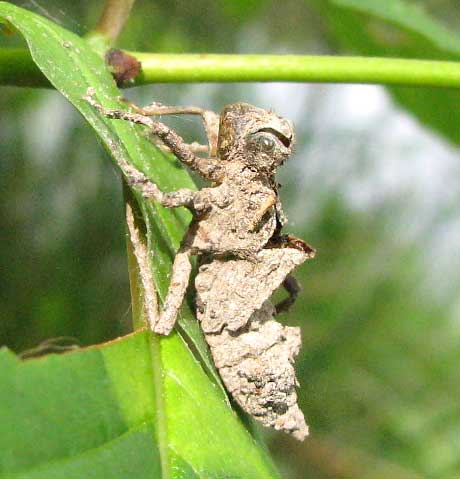
Exoskeleton is a hard or tough outer covering that some animals have instead of a skeleton inside their body. It helps the animal keep its shape and shields soft parts, like a suit of armour. This is different from the bones inside people and many animals.
Exoskeletons come in many kinds. Some are big and shell-like, such as a snail’s shell or a clam’s shell. Others are made of chitin, a tough material found in insects and crabs. Tiny animals like tardigrades and animals in coral reefs also have outer skeletons that protect them.
Exoskeletons come in many kinds. Some are big and shell-like, such as a snail’s shell or a clam’s shell. Others are made of chitin, a tough material found in insects and crabs. Tiny animals like tardigrades and animals in coral reefs also have outer skeletons that protect them.
Read Less
Growth and Moulting
Because an exoskeleton is rigid, animals that wear one must grow in special ways. Some animals with open shells, like snails and clams, add new material at the shell’s edge as they grow. But animals with a full hard outer skeleton, such as insects and crabs, cannot stretch it.
These animals grow by moulting or shedding their old skeleton. A new, soft exoskeleton forms underneath, then the animal breaks and leaves the old one behind. During this time the animal hides because it is soft and more vulnerable until the new covering hardens.
Inside the body, structures called apodemes (inner ridges or bumps) give muscles strong places to attach and can store elastic energy for jumping or quick movements.
These animals grow by moulting or shedding their old skeleton. A new, soft exoskeleton forms underneath, then the animal breaks and leaves the old one behind. During this time the animal hides because it is soft and more vulnerable until the new covering hardens.
Inside the body, structures called apodemes (inner ridges or bumps) give muscles strong places to attach and can store elastic energy for jumping or quick movements.
Read Less
Roles and Functions
An exoskeleton does more than protect. It supports the animal’s body and gives places for muscles to pull on so the animal can move—crabs walk, beetles fly, and grasshoppers jump because their muscles attach inside the shell. Because it keeps water from escaping, it helps many land arthropods not dry out.
Exoskeletons also help in other ways. They can carry sensors like tiny hairs for feeling the world, shape mouthparts for eating, and make bright colors or shiny surfaces for courtship displays. In some animals, parts of the outer covering also help with breathing or letting out wastes.
Exoskeletons also help in other ways. They can carry sensors like tiny hairs for feeling the world, shape mouthparts for eating, and make bright colors or shiny surfaces for courtship displays. In some animals, parts of the outer covering also help with breathing or letting out wastes.
Read Less
Exoskeletons and Fossils
Fossils are the remains or traces of ancient life, and exoskeletons often help make fossils. Hard, mineral parts like shells and coral cups resist decay and can be buried by mud and turned into rock, leaving a record for scientists to find.
Long ago, around the start of the Cambrian period roughly 550 million years ago, many animals developed mineralized outer skeletons. This change helped animals survive and also led to more kinds of creatures, including those that hunted and those that defended themselves. Some very old fossils, like Cloudina, show early mineralized shells and signs that predators were already important in the sea.
Long ago, around the start of the Cambrian period roughly 550 million years ago, many animals developed mineralized outer skeletons. This change helped animals survive and also led to more kinds of creatures, including those that hunted and those that defended themselves. Some very old fossils, like Cloudina, show early mineralized shells and signs that predators were already important in the sea.
Read Less
How Exoskeletons Evolved
Exoskeletons and other body coverings from long ago are mostly known to scientists through fossils. Fossils usually keep hard, mineral-rich parts because those last a long time in rock. That means animals that built shells or armor with minerals are much easier to find than animals with soft coverings, which often disappeared before they could become fossils.
Many animal groups seem to have started with softer exoskeletons and later added minerals to make them harder. This happened in different places and at different times—sea creatures often mineralized first. Because early, soft coverings left few traces, scientists must use the few hard fossils and study living animals to piece together how exoskeletons began.
Many animal groups seem to have started with softer exoskeletons and later added minerals to make them harder. This happened in different places and at different times—sea creatures often mineralized first. Because early, soft coverings left few traces, scientists must use the few hard fossils and study living animals to piece together how exoskeletons began.
Read Less
Try your luck with the Exoskeleton Quiz.
Try this Exoskeleton quiz and see how many you score!
Q1
Question 1 of 5
Next
Explore More