
Back
Present
Facts for Kids
Corvus is a genus of intelligent and adaptable passerine birds, including crows, ravens, and magpies, found all over the world except in extreme environments.

Explore the internet with AstroSafe
Search safely, manage screen time, and remove ads and inappropriate content with the AstroSafe Browser.
Download

Become a Creator with DIY.org
A safe online space featuring over 5,000 challenges to create, explore and learn in.
Learn more
Overview
Corvus is a cool group of birds that include crows, ravens, and magpies! 🐦
These birds are known for their intelligence and adaptability. They are found all over the world, except in extreme deserts and very cold regions like Antarctica! Some of the most famous members of Corvus are the American Crow and the Common Raven. These birds are usually black with shiny feathers, making them stand out. Did you know that some Corvus species can even solve puzzles and use tools? 🧩
These clever birds have fascinated people for centuries!
These birds are known for their intelligence and adaptability. They are found all over the world, except in extreme deserts and very cold regions like Antarctica! Some of the most famous members of Corvus are the American Crow and the Common Raven. These birds are usually black with shiny feathers, making them stand out. Did you know that some Corvus species can even solve puzzles and use tools? 🧩
These clever birds have fascinated people for centuries!
Read Less
Interesting Facts
Corvus birds are full of surprises! 🌟
Did you know that they are among the most intelligent birds in the world? They can use tools, like sticks, to get food out of hard-to-reach places! Some crows even hold "funerals" for their dead, gathering around to honor their friends. They also have great memories, allowing them to recognize human faces and remember kindness or danger associated with them. So, the next time you see a crow, remember that it's not just a bird—it's an incredible creature with a fantastic personality!
Did you know that they are among the most intelligent birds in the world? They can use tools, like sticks, to get food out of hard-to-reach places! Some crows even hold "funerals" for their dead, gathering around to honor their friends. They also have great memories, allowing them to recognize human faces and remember kindness or danger associated with them. So, the next time you see a crow, remember that it's not just a bird—it's an incredible creature with a fantastic personality!
Read Less
Conservation Status
Most Corvus birds are not endangered, but some species face challenges. 🌈
The International Union for Conservation of Nature (IUCN) keeps track of their populations. For example, the Hawaiian Crow, or ‘Alalā, is critically endangered, with fewer than 250 birds left in the wild. Conservation efforts aim to protect their habitats and help grow their numbers. Being aware of these challenges is essential for keeping our feathered friends safe!
The International Union for Conservation of Nature (IUCN) keeps track of their populations. For example, the Hawaiian Crow, or ‘Alalā, is critically endangered, with fewer than 250 birds left in the wild. Conservation efforts aim to protect their habitats and help grow their numbers. Being aware of these challenges is essential for keeping our feathered friends safe!
Read Less
Cultural Significance
Corvus birds have been a part of human culture for centuries! 🦸
♂️ Many myths and stories feature them. In some cultures, crows are seen as symbols of wisdom, while in others, they might represent bad luck. In literature, like Edgar Allan Poe's poem "The Raven," they symbolize mystery or darkness. These fascinating birds have inspired artists, writers, and even scientists, showing their important place in human imagination and storytelling!
♂️ Many myths and stories feature them. In some cultures, crows are seen as symbols of wisdom, while in others, they might represent bad luck. In literature, like Edgar Allan Poe's poem "The Raven," they symbolize mystery or darkness. These fascinating birds have inspired artists, writers, and even scientists, showing their important place in human imagination and storytelling!
Read Less
Reproductive Behavior
During mating season, Corvus birds create strong bonds with a partner. 💑
They build nests together using twigs, grass, and other materials. The female lays about 3 to 7 eggs, which both parents help to keep warm. After the eggs hatch, both mom and dad take care of the chicks. Baby crows, known as fledglings, stay with their parents for some time to learn skills like flying and finding food!
They build nests together using twigs, grass, and other materials. The female lays about 3 to 7 eggs, which both parents help to keep warm. After the eggs hatch, both mom and dad take care of the chicks. Baby crows, known as fledglings, stay with their parents for some time to learn skills like flying and finding food!
Read Less
Habitat and Distribution
Corvus birds live in many different habitats around the world! 🌍
You can find them in forests, mountains, cities, and even near beaches. They are highly adaptable and can live just about anywhere where they can find food. The American Crow is widespread throughout North America, while the Eurasian Magpie can be found in Europe and Asia. Their ability to thrive in urban areas shows how clever these birds can be at finding homes in places where people live!
You can find them in forests, mountains, cities, and even near beaches. They are highly adaptable and can live just about anywhere where they can find food. The American Crow is widespread throughout North America, while the Eurasian Magpie can be found in Europe and Asia. Their ability to thrive in urban areas shows how clever these birds can be at finding homes in places where people live!
Read Less
Physical Characteristics
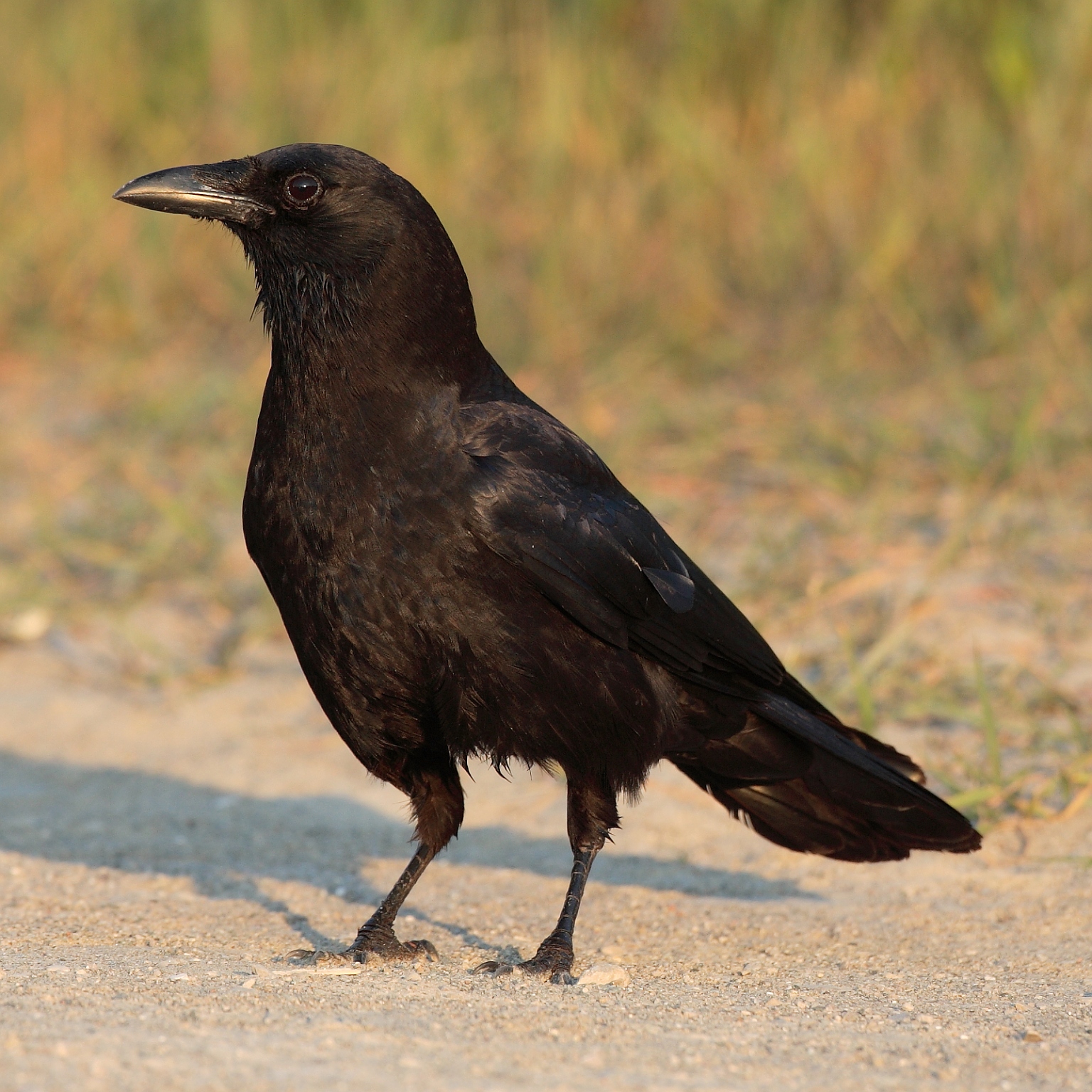
Corvus birds are known for their medium to large sizes and striking black plumage. 🖤
The American Crow can reach up to 17 inches (43 cm) in length! They have strong, curved beaks that help them eat a wide variety of food. Some species, like the Common Raven, have a wedge-shaped tail, which is different from the squared tail of a crow. These birds also have sharp, expressive eyes. Did you know they can see colors better than humans? This helps them find food easily!
The American Crow can reach up to 17 inches (43 cm) in length! They have strong, curved beaks that help them eat a wide variety of food. Some species, like the Common Raven, have a wedge-shaped tail, which is different from the squared tail of a crow. These birds also have sharp, expressive eyes. Did you know they can see colors better than humans? This helps them find food easily!
Read Less
Diet and Feeding Behavior
Corvus birds are omnivores, eating all kinds of food! 🍏🐛 They enjoy fruits, nuts, insects, and small animals. They're also known to scavenge, meaning they eat leftover food from other animals or humans. For example, crows often steal food from picnics or trash cans! Some species, like the California Scrub-Jay, even hide food to eat later. This behavior shows their cleverness, as they can remember where they buried their snacks!
Read Less
Taxonomy and Classification
Corvus belongs to the family Corvidae, which is part of the order Passeriformes, the largest order of birds. 🦜
The family includes about 120 species, with many living in various habitats, such as forests, grasslands, and urban areas. The genus Corvus has various members, including the Carrion Crow (Corvus corone) and the Hooded Crow (Corvus cornix). Scientists study these birds to understand their behavior and intelligence. Each member of Corvus has its own unique traits, but they all share common characteristics like their black feathers and sharp beaks!
The family includes about 120 species, with many living in various habitats, such as forests, grasslands, and urban areas. The genus Corvus has various members, including the Carrion Crow (Corvus corone) and the Hooded Crow (Corvus cornix). Scientists study these birds to understand their behavior and intelligence. Each member of Corvus has its own unique traits, but they all share common characteristics like their black feathers and sharp beaks!
Read Less
Social Structure and Behavior
Corvus birds are social creatures! 🐦👫 They often gather in groups called “murders” (especially crows), and they enjoy playing together. They are very intelligent, which helps them solve problems as a team. You might see them chasing each other, playing games, or teaming up to scare larger animals away from their food. Their teamwork is impressive and shows how important friendships are in the bird world!
Read Less
Communication and Vocalization
Crows and ravens are known for their diverse sounds! 🎤
They can caw, croak, and even make quacking noises. Each call can mean different things, like alerting friends about danger or finding each other. Crows also use body language, like wing flapping and head tilting, to communicate. Some studies show they can mimic human speech! Talking crows can be both fun and surprising for people who hear them!
They can caw, croak, and even make quacking noises. Each call can mean different things, like alerting friends about danger or finding each other. Crows also use body language, like wing flapping and head tilting, to communicate. Some studies show they can mimic human speech! Talking crows can be both fun and surprising for people who hear them!
Read Less
Try your luck with the Corvus Quiz.
Try this Corvus quiz and see how many you score!
Q1
Question 1 of 10
Next
Explore More