
Back
Present
Facts for Kids
Consequentialism is a moral theory that evaluates the morality of actions based on their outcomes or consequences, prioritizing overall benefit or harm.

Explore the internet with AstroSafe
Search safely, manage screen time, and remove ads and inappropriate content with the AstroSafe Browser.
Download

Become a Creator with DIY.org
A safe online space featuring over 5,000 challenges to create, explore and learn in.
Learn more
Overview
Consequentialism is a big word that means we judge whether something is right or wrong based on its results. 🌟
Imagine you help clean up a park. If people enjoy the clean park, you did something good! If they don't enjoy it, it might not be as good. Consequentialism says the "end results" matter most. It helps us think about how our actions affect others and the world around us. People can use it to make choices that bring about happiness or reduce pain. So remember, the outcome of our actions counts! 🌈
Imagine you help clean up a park. If people enjoy the clean park, you did something good! If they don't enjoy it, it might not be as good. Consequentialism says the "end results" matter most. It helps us think about how our actions affect others and the world around us. People can use it to make choices that bring about happiness or reduce pain. So remember, the outcome of our actions counts! 🌈
Read Less
Historical Background
Consequentialism has a long history! 🕰
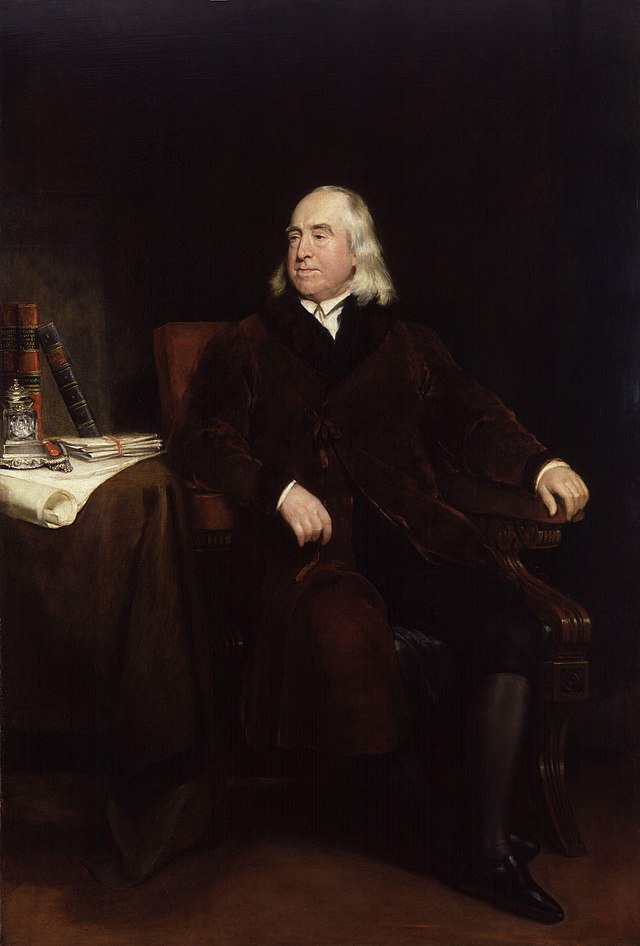
️ It became popular during the 18th and 19th centuries with thinkers like Jeremy Bentham. He loved the idea of happiness and made something called "utilitarianism," which is a type of consequentialism. Bentham thought we should help the most people have fun and happiness! 🎊
John Stuart Mill continued this work. He believed quality matters, not just the number of happy people! These ideas help shape how we think about right and wrong today. 📚
️ It became popular during the 18th and 19th centuries with thinkers like Jeremy Bentham. He loved the idea of happiness and made something called "utilitarianism," which is a type of consequentialism. Bentham thought we should help the most people have fun and happiness! 🎊
John Stuart Mill continued this work. He believed quality matters, not just the number of happy people! These ideas help shape how we think about right and wrong today. 📚
Read Less
Types of Consequentialism
There are different types of consequentialism! One type is utilitarianism, which means the best action creates the most happiness for everyone. 😄
Another type is "negative consequentialism," where avoiding harm is the main goal. For example, if you choose not to hurt someone, you are following this idea. Then, there’s "act consequentialism" (looking at each action’s results) and "rule consequentialism" (following rules that usually lead to good results). 🛡
️ Each type helps guide people on ethical choices!
Another type is "negative consequentialism," where avoiding harm is the main goal. For example, if you choose not to hurt someone, you are following this idea. Then, there’s "act consequentialism" (looking at each action’s results) and "rule consequentialism" (following rules that usually lead to good results). 🛡
️ Each type helps guide people on ethical choices!
Read Less
Key Philosophers and Thinkers
Many smart people have shaped consequentialism! 🎓
Besides Jeremy Bentham and John Stuart Mill, there’s Peter Singer, who talks about helping animals and the environment. 💚
He believes we should think about everyone’s happiness, not just people! There’s also G.E. Moore, who said we need to look at what truly is "good." These philosophers help us understand that their ideas can guide everyday decisions about what is right and wrong. 📖
They all share the love of understanding outcomes!
Besides Jeremy Bentham and John Stuart Mill, there’s Peter Singer, who talks about helping animals and the environment. 💚
He believes we should think about everyone’s happiness, not just people! There’s also G.E. Moore, who said we need to look at what truly is "good." These philosophers help us understand that their ideas can guide everyday decisions about what is right and wrong. 📖
They all share the love of understanding outcomes!
Read Less
Critiques and Counterarguments
Some people don’t completely agree with consequentialism. 🤔
They might say it’s hard to know what the best outcome is or that it can hurt individuals for the sake of others. For example, if helping many people means hurting just one, is that okay? This raises questions about fairness! ⚖
️ Critics also say it can lead to “wrong” choices if people see only the big picture. These critiques show us that while consequentialism is helpful, we need to think about all sides when making decisions!
They might say it’s hard to know what the best outcome is or that it can hurt individuals for the sake of others. For example, if helping many people means hurting just one, is that okay? This raises questions about fairness! ⚖
️ Critics also say it can lead to “wrong” choices if people see only the big picture. These critiques show us that while consequentialism is helpful, we need to think about all sides when making decisions!
Read Less
Key Principles of Consequentialism
The main idea behind consequentialism is to look at the outcomes of our actions. ✅
There are three important principles: first, "greatest happiness" means choosing what makes the most people happy. Second, "harms and benefits" means weighing good things against bad ones. Lastly, it’s about making choices that create the best results, like saving money for a fun trip! 🎉
In easy terms, if what you do brings joy or helps others, then it’s good; if it brings sadness or problems, it’s not so good. This helps people choose wisely!
There are three important principles: first, "greatest happiness" means choosing what makes the most people happy. Second, "harms and benefits" means weighing good things against bad ones. Lastly, it’s about making choices that create the best results, like saving money for a fun trip! 🎉
In easy terms, if what you do brings joy or helps others, then it’s good; if it brings sadness or problems, it’s not so good. This helps people choose wisely!
Read Less
Consequentialism in Popular Culture
Consequentialism shows up in movies and books! 🎬
For example, in many superhero stories, heroes try to save lives, thinking about the benefits. In the film “Captain America: Civil War,” characters debate what their actions mean for safety versus freedom. 🎭
Books, like “Harry Potter,” explore decisions and the outcomes they create for friends and family. 📚
These stories teach us about making choices and understanding the importance of results, making ethical thinking fun and exciting in popular media! ✨
For example, in many superhero stories, heroes try to save lives, thinking about the benefits. In the film “Captain America: Civil War,” characters debate what their actions mean for safety versus freedom. 🎭
Books, like “Harry Potter,” explore decisions and the outcomes they create for friends and family. 📚
These stories teach us about making choices and understanding the importance of results, making ethical thinking fun and exciting in popular media! ✨
Read Less
Consequentialism vs. Other Ethical Theories
There are many ways to think about right and wrong! 📜
For instance, deontological ethics focus on rules and duties, not just outcomes. So, helping someone might be seen as good, even if it doesn’t make many people happy. Virtue ethics is another way, focusing on being a good person with qualities like kindness. ❤
️ Consequentialism, however, centers on results, making it unique, as it wants to achieve the best outcome for everyone involved!
For instance, deontological ethics focus on rules and duties, not just outcomes. So, helping someone might be seen as good, even if it doesn’t make many people happy. Virtue ethics is another way, focusing on being a good person with qualities like kindness. ❤
️ Consequentialism, however, centers on results, making it unique, as it wants to achieve the best outcome for everyone involved!
Read Less
Applications of Consequentialism in Real Life
We can see consequentialism in action every day! 🌍
For instance, when teachers decide to use fun games in class, they think about how it helps students learn better. 🎲
In government, leaders make laws based on what will keep most people safe and happy, like building parks! 😃
Even at home, when you choose to help with chores, you’re thinking about how it makes your family feel. By considering results, we can make better choices for everyone!
For instance, when teachers decide to use fun games in class, they think about how it helps students learn better. 🎲
In government, leaders make laws based on what will keep most people safe and happy, like building parks! 😃
Even at home, when you choose to help with chores, you’re thinking about how it makes your family feel. By considering results, we can make better choices for everyone!
Read Less
Try your luck with the Consequentialism Quiz.
Try this Consequentialism quiz and see how many you score!
Q1
Question 1 of 10
Next
Explore More