
Back
Present
Facts for Kids
The Battle of Yarmouk was a significant conflict in 636 AD between the Byzantine Empire and the Arab Muslim forces, marking a turning point in the history of the region.

Explore the internet with AstroSafe
Search safely, manage screen time, and remove ads and inappropriate content with the AstroSafe Browser.
Download

Become a Creator with DIY.org
A safe online space featuring over 5,000 challenges to create, explore and learn in.
Learn more
Overview
The Battle of Yarmouk took place in 636 AD near the Yarmouk River, which is now in modern-day Syria. 🌍
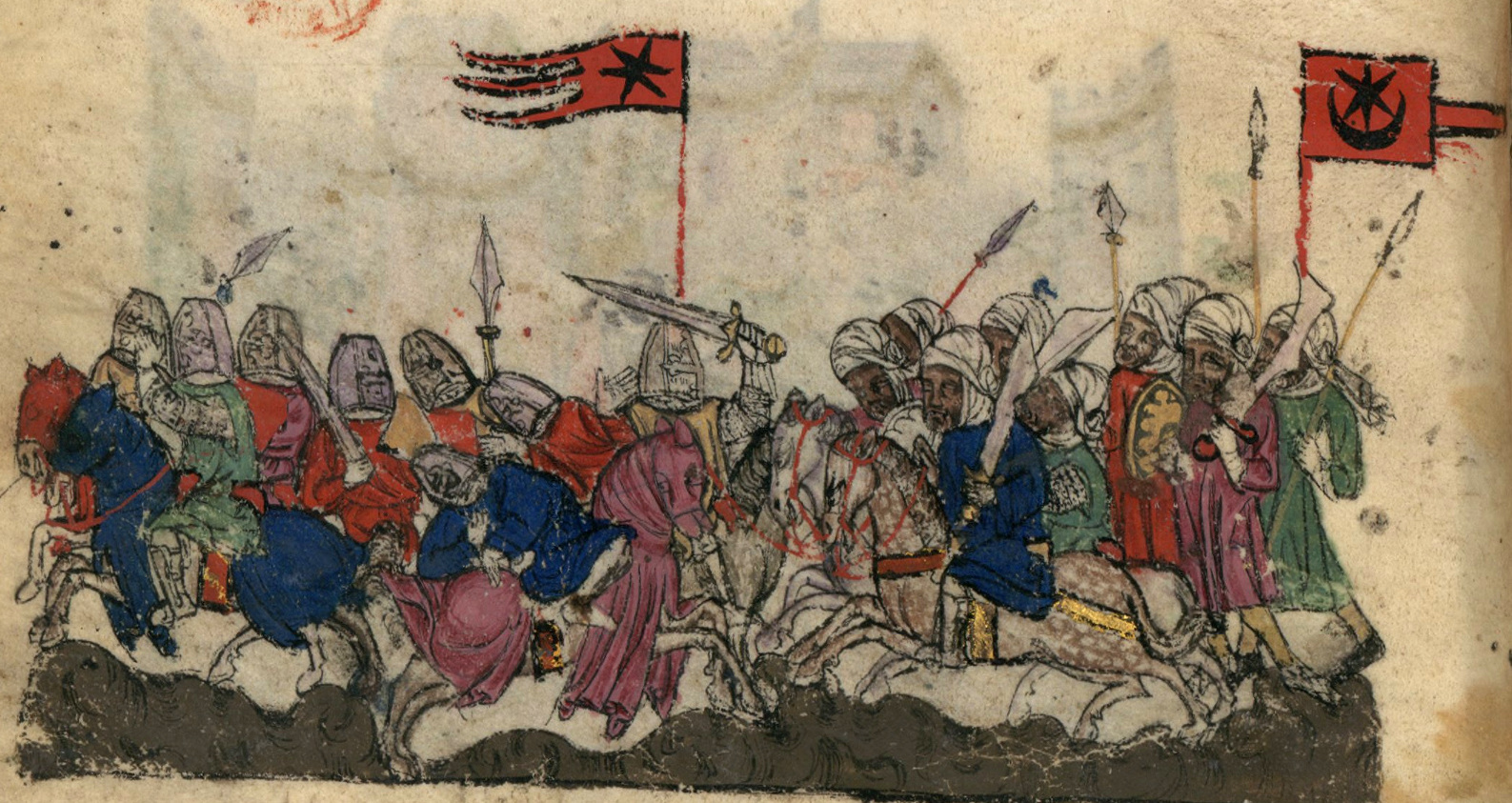
This battle was between two big groups: the Byzantine Empire, which was led by Emperor Heraclius, and the Arab Muslim forces, led by General Khalid ibn al-Walid. ⚔
️ It was a very important battle that changed the history of the region. In just a few days, the Arabs won, marking a key moment in their expansion. The battle had around 100,000 soldiers on both sides! Imagine that many people fighting!
This battle was between two big groups: the Byzantine Empire, which was led by Emperor Heraclius, and the Arab Muslim forces, led by General Khalid ibn al-Walid. ⚔
️ It was a very important battle that changed the history of the region. In just a few days, the Arabs won, marking a key moment in their expansion. The battle had around 100,000 soldiers on both sides! Imagine that many people fighting!
Read Less
Key Events
During the Battle of Yarmouk, several important events led to the Muslim victory. One key moment was when the Arabs pushed the Byzantines back, taking control of the highest ground. ⛰
️ This allowed them to have a better view of the battlefield and plan their next moves. General Khalid ibn al-Walid, who was known for his fast decisions, led his troops to important strategic points. There was heavy fighting for days, with many brave acts on both sides. Ultimately, the Byzantines lost about 100,000 soldiers, a huge number!
️ This allowed them to have a better view of the battlefield and plan their next moves. General Khalid ibn al-Walid, who was known for his fast decisions, led his troops to important strategic points. There was heavy fighting for days, with many brave acts on both sides. Ultimately, the Byzantines lost about 100,000 soldiers, a huge number!
Read Less
Battle Tactics
Both sides used different strategies in the battle. The Byzantines relied on their massive numbers and heavy cavalry to crush their enemies. 🏇
They tried to form a big wall of soldiers to protect themselves, but the Arabs had a different plan! The Muslims used quick movements, surprising the Byzantines. They attacked when it was least expected, using the terrain of the Yarmouk River to hide and ambush their opponents. 🌄
This cleverness helped them win! It showed that sometimes brains can be more important than just having a large army!
They tried to form a big wall of soldiers to protect themselves, but the Arabs had a different plan! The Muslims used quick movements, surprising the Byzantines. They attacked when it was least expected, using the terrain of the Yarmouk River to hide and ambush their opponents. 🌄
This cleverness helped them win! It showed that sometimes brains can be more important than just having a large army!
Read Less
Cultural Impact
The Battle of Yarmouk had lasting cultural effects. 🎨
It helped spread Arabic culture and language in Syria and surrounding areas. Many people began to adopt Islamic traditions and practices. As the new rulers, the Muslim forces made changes in how people lived, leading to new artwork, architecture, and ideas! The victory also inspired stories of bravery and cleverness that are still told today, teaching about the importance of teamwork and strategy. 📖
It helped spread Arabic culture and language in Syria and surrounding areas. Many people began to adopt Islamic traditions and practices. As the new rulers, the Muslim forces made changes in how people lived, leading to new artwork, architecture, and ideas! The victory also inspired stories of bravery and cleverness that are still told today, teaching about the importance of teamwork and strategy. 📖
Read Less
Forces Involved
The Byzantine Empire had a large army estimated at around 100,000 soldiers. 🛡
️ They used heavy cavalry, which are soldiers on horseback, to fight. The Arabs had less troops, about 30,000, led by General Khalid ibn al-Walid, who was very clever and skilled in battle. 🌟
This small number of troops showed how brave and strategic the Arabs were! Both armies had different weapons too: the Byzantines had swords and lancers, while the Muslims used a mix of spears and bows. It was a clash of skills!
️ They used heavy cavalry, which are soldiers on horseback, to fight. The Arabs had less troops, about 30,000, led by General Khalid ibn al-Walid, who was very clever and skilled in battle. 🌟
This small number of troops showed how brave and strategic the Arabs were! Both armies had different weapons too: the Byzantines had swords and lancers, while the Muslims used a mix of spears and bows. It was a clash of skills!
Read Less
Role of Leaders
Leadership was crucial in the Battle of Yarmouk. 🌟
General Khalid ibn al-Walid, known for his brilliant tactics, inspired his soldiers with confidence and courage. He made quick decisions that changed the battle's outcome. On the Byzantine side, Emperor Heraclius led the army but faced difficulties managing such a large force. Good leaders bring out the best in their teams. Both leaders' actions showed how important guidance is in battles and life!!
General Khalid ibn al-Walid, known for his brilliant tactics, inspired his soldiers with confidence and courage. He made quick decisions that changed the battle's outcome. On the Byzantine side, Emperor Heraclius led the army but faced difficulties managing such a large force. Good leaders bring out the best in their teams. Both leaders' actions showed how important guidance is in battles and life!!
Read Less
Historical Context
Before the battle, the Byzantine Empire ruled a large area that included parts of the Middle East, Eastern Europe, and North Africa. 🏰
They had been in control for centuries! However, the Arab Muslim forces were growing stronger and wanted to spread their faith and gain land. This was happening right after the death of the Prophet Muhammad in 632 AD, when many people followed his teachings. This battle was part of a series of wars called the Muslim Conquests, which changed many things about land ownership and culture in the region. 📜
They had been in control for centuries! However, the Arab Muslim forces were growing stronger and wanted to spread their faith and gain land. This was happening right after the death of the Prophet Muhammad in 632 AD, when many people followed his teachings. This battle was part of a series of wars called the Muslim Conquests, which changed many things about land ownership and culture in the region. 📜
Read Less
Legacy of the Battle
The legacy of the Battle of Yarmouk is significant. It marked the rise of the Arab Muslim empire, which would later expand into North Africa and Europe. 🌏
It also symbolized how smaller forces can defeat larger armies through skill and cleverness, as shown by the Arab victory. This battle is studied in military schools and is remembered as a story of bravery, strategy, and the power of belief. 📚
It teaches us that determination can lead to great victories!
It also symbolized how smaller forces can defeat larger armies through skill and cleverness, as shown by the Arab victory. This battle is studied in military schools and is remembered as a story of bravery, strategy, and the power of belief. 📚
It teaches us that determination can lead to great victories!
Read Less
Archaeological Findings
Archaeologists have studied the Battle of Yarmouk site to learn more about this important event. 🏺
They discovered ancient weapons, tools, and pottery that tell us about life during that time. These findings show how people fought and lived, helping us understand their culture. Through excavations, we learn more about the strategies and daily life of the soldiers. 📜
Each discovery teaches us a little more about this exciting chapter in history!
They discovered ancient weapons, tools, and pottery that tell us about life during that time. These findings show how people fought and lived, helping us understand their culture. Through excavations, we learn more about the strategies and daily life of the soldiers. 📜
Each discovery teaches us a little more about this exciting chapter in history!
Read Less
Consequences of the Battle
The Yarmouk battle had big consequences! After the Muslims won, they gained control over Syria, which changed the region forever. ⚔
️ This opened doors for further Arab expansion and reduced the power of the Byzantine Empire in the area. Many people started converting to Islam, leading to a quicker spread of the religion. 🌙
The battle also helped the Rashidun Caliphate to grow, which played an essential role in Islamic history. This victory brought new cultures and knowledge to the region!
️ This opened doors for further Arab expansion and reduced the power of the Byzantine Empire in the area. Many people started converting to Islam, leading to a quicker spread of the religion. 🌙
The battle also helped the Rashidun Caliphate to grow, which played an essential role in Islamic history. This victory brought new cultures and knowledge to the region!
Read Less
Comparisons to Other Battles
Just like other famous battles, the Battle of Yarmouk highlights how skill and tactics matter more than just numbers. For instance, the Battle of Thermopylae in 480 BC saw 300 Spartans using their strategies to hold off a much larger Persian army. 🛡
️ Similarly, at Yarmouk, despite being fewer in number, the Arab forces triumphed through better tactics and determination. These battles show us that being clever and working together can lead to success, no matter how big the opponent seems!
️ Similarly, at Yarmouk, despite being fewer in number, the Arab forces triumphed through better tactics and determination. These battles show us that being clever and working together can lead to success, no matter how big the opponent seems!
Read Less
Try your luck with the Battle Of Yarmouk Quiz.
Try this Battle Of Yarmouk quiz and see how many you score!
Q1
Question 1 of 10
Next
Explore More