
Back
Present
Facts for Kids
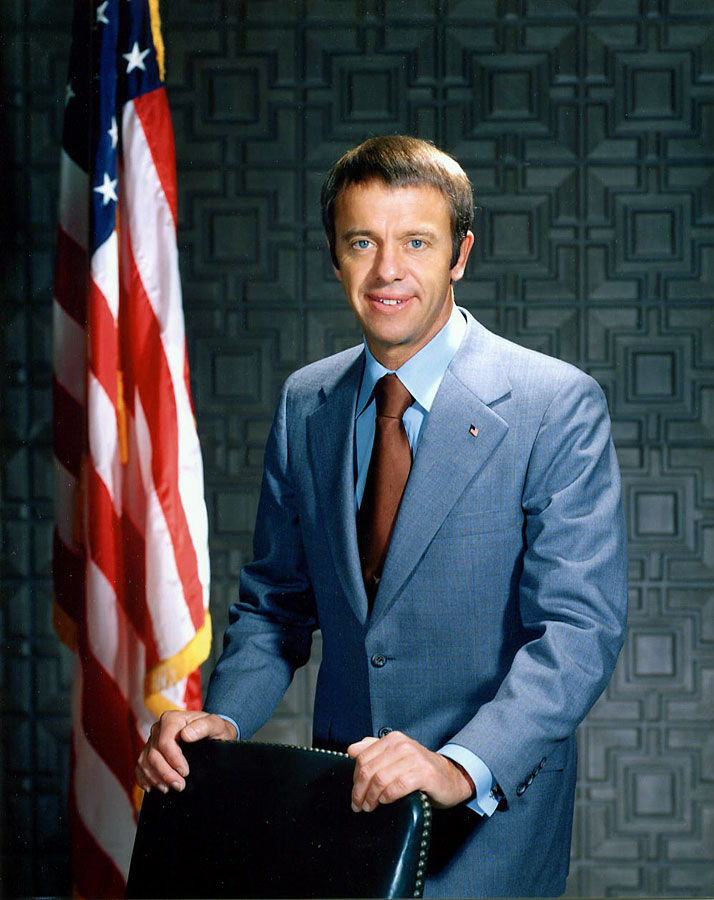
Alan Shepard was a pioneering American astronaut who made history as the first American in space and later commanded the Apollo 14 mission to the Moon.

Explore the internet with AstroSafe
Search safely, manage screen time, and remove ads and inappropriate content with the AstroSafe Browser.
Download
Did you know?
🚀 Alan Shepard was the first American in space, flying aboard Freedom 7 in 1961.
🌌 He served as the commander of the Apollo 14 mission, which included the third crewed lunar landing.
⏳ Shepard's historic suborbital flight lasted approximately 15 minutes and reached an altitude of over 116 miles.
🎮 During the Apollo 14 mission, Shepard famously hit two golf balls on the lunar surface.
🇺🇸 Shepard was a naval aviator before becoming an astronaut, flying combat missions during the Korean War.
🛰 He was selected as one of the original seven NASA astronauts in 1959.
🌍 Shepard's full name is Alan Bartlett Shepard Jr.
💡 After retiring from NASA, he became the president of a successful environmental services company.
📅 Alan Shepard passed away on July 21, 1998, at the age of 74.
⚾ Shepard was also an accomplished athlete and played golf and baseball in his youth.
Show Less

Become a Creator with DIY.org
A safe online space featuring over 5,000 challenges to create, explore and learn in.
Learn more
Overview
Alan Shepard was an American astronaut 🚀 who made history as the first person from the United States to travel into space! Born on November 18, 1923, he was part of NASA's early space programs in the 1960s. He flew three space missions: Mercury-Redstone 3, Gemini 3, and Apollo 14. Shepard was brave and adventurous, and his journeys helped us learn about space travel. He became a hero for many and inspired generations of future astronauts! 🌌
Read Less
Fun Facts
Did you know these cool facts about Alan Shepard? 🎉
He loved golf and actually played on the Moon! Yes, he took a golf club and two golf balls during the Apollo 14 mission! 🏌
️♂️ He was the only astronaut to travel in both Mercury and Apollo missions. Shepard was also a talented pilot and once flew a plane that could go 600 miles per hour! ⚡
He even earned a degree in science! Shepard proved that with hard work and determination, anything is possible! 🌍
He loved golf and actually played on the Moon! Yes, he took a golf club and two golf balls during the Apollo 14 mission! 🏌
️♂️ He was the only astronaut to travel in both Mercury and Apollo missions. Shepard was also a talented pilot and once flew a plane that could go 600 miles per hour! ⚡
He even earned a degree in science! Shepard proved that with hard work and determination, anything is possible! 🌍
Read Less
Military Career
After completing his education, Alan Shepard joined the U.S. Navy in 1944. He became a fighter pilot, flying powerful airplanes like the F9F Panther. ✈
️ He took part in the Korean War and showcased his amazing flying skills. Shepard earned many awards for his bravery. After the war, he was chosen to be a test pilot, testing new planes. This experience was important because it prepared him for becoming an astronaut. 🔬
In 1959, after years of hard work, he was selected for NASA’s Mercury program, making his dream of space travel even closer! 🌠
️ He took part in the Korean War and showcased his amazing flying skills. Shepard earned many awards for his bravery. After the war, he was chosen to be a test pilot, testing new planes. This experience was important because it prepared him for becoming an astronaut. 🔬
In 1959, after years of hard work, he was selected for NASA’s Mercury program, making his dream of space travel even closer! 🌠
Read Less
Gemini 3 Mission
Alan Shepard flew on the Gemini 3 mission on March 23, 1965. 🚀
This was the first manned flight in the Gemini program, which aimed to test new space technologies. Shepard and his crewmate, Edward White, circled Earth for about 5 hours! 🌍
During the flight, they practiced docking techniques and even enjoyed a corned beef sandwich! 🥪
This made them the first astronauts to eat in space! The Gemini program helped NASA prepare for even bigger missions, like landing on the Moon. Shepard's work was crucial for the future of space exploration! 🌕
This was the first manned flight in the Gemini program, which aimed to test new space technologies. Shepard and his crewmate, Edward White, circled Earth for about 5 hours! 🌍
During the flight, they practiced docking techniques and even enjoyed a corned beef sandwich! 🥪
This made them the first astronauts to eat in space! The Gemini program helped NASA prepare for even bigger missions, like landing on the Moon. Shepard's work was crucial for the future of space exploration! 🌕
Read Less
Post-NASA Career
After leaving NASA in 1974, Alan Shepard stayed active and didn't stop exploring! 🌏
He worked in various roles, including as a businessman and public speaker. He inspired many young people to pursue careers in science and technology. 🎓
Shepard also received many awards and honors for his contributions to space travel. In 1983, he became the first astronaut to travel to space and leave NASA! As a passionate aviator, he flew in many types of aircraft, sharing his love for flying with others. ✈
️
He worked in various roles, including as a businessman and public speaker. He inspired many young people to pursue careers in science and technology. 🎓
Shepard also received many awards and honors for his contributions to space travel. In 1983, he became the first astronaut to travel to space and leave NASA! As a passionate aviator, he flew in many types of aircraft, sharing his love for flying with others. ✈
️
Read Less
Apollo 14 Mission
Alan Shepard commanded the Apollo 14 mission, which launched on January 31, 1971. 🌕
This mission was very special because it took him back to the Moon! Shepard and his crew landed in an area called the Fra Mauro Highlands. 🚀
They explored the Moon's surface, collected rocks, and conducted experiments. Shepard even hit two golf balls on the Moon! 🏌
️♂️ The mission lasted 9 days, and they returned safely to Earth on February 9. Apollo 14 was a huge success and added valuable knowledge about our Moon! 🌌
This mission was very special because it took him back to the Moon! Shepard and his crew landed in an area called the Fra Mauro Highlands. 🚀
They explored the Moon's surface, collected rocks, and conducted experiments. Shepard even hit two golf balls on the Moon! 🏌
️♂️ The mission lasted 9 days, and they returned safely to Earth on February 9. Apollo 14 was a huge success and added valuable knowledge about our Moon! 🌌
Read Less
Legacy and Honors
Alan Shepard's legacy lives on! He was inducted into the U.S. Astronaut Hall of Fame in 1997 and received many awards, including the Congressional Gold Medal. 🏅
His adventures inspired future astronauts and showed the world the importance of space exploration. The "Shepard Space Center" was named in his honor, reminding everyone of his courage and achievements. 🌠
Shepard passed away on July 21, 1998, but his contributions to science and space travel will always be remembered! 📚
His adventures inspired future astronauts and showed the world the importance of space exploration. The "Shepard Space Center" was named in his honor, reminding everyone of his courage and achievements. 🌠
Shepard passed away on July 21, 1998, but his contributions to science and space travel will always be remembered! 📚
Read Less
NASA Astronaut Program
In 1959, Alan Shepard joined NASA as one of the original astronauts, known as the "Mercury 7." 🌟 These brave men were chosen to help explore space. Shepard went through intense training, which included flying in high-altitude balloons and simulating space flights. He learned how to use special equipment and fly rockets. 🛰
️ In 1961, he launched into space aboard the Freedom 7 capsule. Shepard's mission lasted about 15 minutes, but it was a huge step for America in space exploration! 🌌
️ In 1961, he launched into space aboard the Freedom 7 capsule. Shepard's mission lasted about 15 minutes, but it was a huge step for America in space exploration! 🌌
Read Less
Early Life and Education
Alan Shepard grew up in East Derry, New Hampshire. 🎨
As a kid, he loved flying and was fascinated by airplanes. He went to high school and then joined the United States Naval Academy, where he studied engineering. 🛩
️ After college, he became a naval aviator, which means he flew planes for the Navy. Shepard trained hard and learned many important skills that would help him later as an astronaut. He loved adventure and was determined to reach the stars! 🌟
As a kid, he loved flying and was fascinated by airplanes. He went to high school and then joined the United States Naval Academy, where he studied engineering. 🛩
️ After college, he became a naval aviator, which means he flew planes for the Navy. Shepard trained hard and learned many important skills that would help him later as an astronaut. He loved adventure and was determined to reach the stars! 🌟
Read Less
Mercury-Redstone 3 Mission
On May 5, 1961, Alan Shepard flew the Mercury-Redstone 3 mission, also known as Freedom 7. 🚀
He became the first American to travel into space! During the flight, he reached an altitude of 116.5 miles. 🌍
Shepard experienced weightlessness for a brief time but quickly returned to Earth. The mission lasted about 15 minutes, and it was a major success! This helped prove that humans could survive in space, paving the way for future missions! 🎉
Shepard became a national hero and inspired many to dream big!
He became the first American to travel into space! During the flight, he reached an altitude of 116.5 miles. 🌍
Shepard experienced weightlessness for a brief time but quickly returned to Earth. The mission lasted about 15 minutes, and it was a major success! This helped prove that humans could survive in space, paving the way for future missions! 🎉
Shepard became a national hero and inspired many to dream big!
Read Less
Try your luck with the Alan Shepard Quiz.
Try this Alan Shepard quiz and see how many you score!
Q1
Question 1 of 10
Next
Explore More